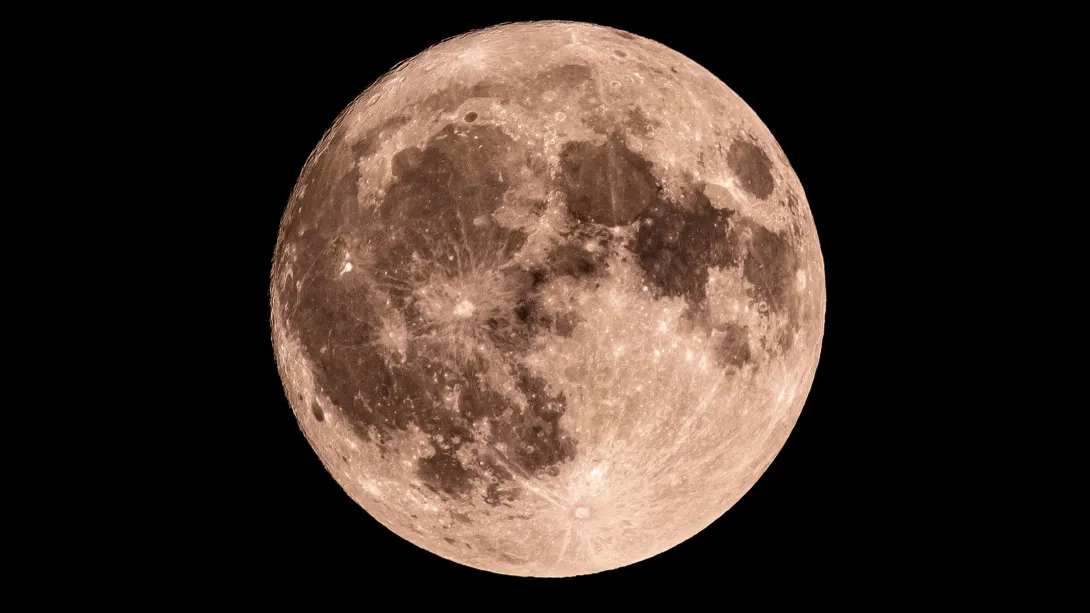
Today’s moon phase marks a quiet but significant moment in the lunar cycle, offering insight into the natural rhythm that governs tides, calendars and cultural traditions worldwide. The Moon is currently in a waning phase, meaning its illuminated portion is gradually decreasing as it moves toward the next New Moon. This stage is often overlooked, yet it holds scientific and symbolic importance, particularly for astronomers and skywatchers who value subtle celestial changes. From an observational standpoint, today’s moon phase presents favorable conditions for early-morning viewing and reflection, underscoring the Moon’s enduring role in both science and society.
Understanding Today’s Moon Phase
The Moon follows a predictable cycle lasting roughly 29.5 days, transitioning through distinct phases based on its position relative to the Earth and the Sun. Today’s phase reflects a period when the visible surface is diminishing, signaling that the lunar month is approaching renewal.
This change occurs as the Moon’s angle to the Sun narrows, reducing the amount of sunlight reflected toward Earth.
What Skywatchers Can Expect
During this phase, the Moon is best observed in the early hours of the day, typically rising after midnight and remaining visible until shortly before sunrise. Its softer glow and lower illumination create favorable conditions for observing surface contours, particularly along the shadow line separating light and darkness.
Clear skies and low light pollution significantly enhance visibility, making this an ideal time for amateur astronomers.
Scientific and Practical Significance
From a scientific perspective, waning moon phases provide valuable opportunities to study lunar topography, as elongated shadows highlight craters and ridges. These conditions are often preferred by researchers and photographers seeking detailed surface contrast.
Beyond astronomy, lunar phases continue to influence agricultural calendars, tidal predictions and cultural observances across regions.
Cultural and Symbolic Context
Historically, the waning phase has been associated with closure, preparation and reflection. In many traditions, this period is viewed as a time to complete ongoing tasks before the cycle begins anew with the New Moon.
Such interpretations, while symbolic, reflect humanity’s long-standing relationship with the Moon as a measure of time and change.
Comments