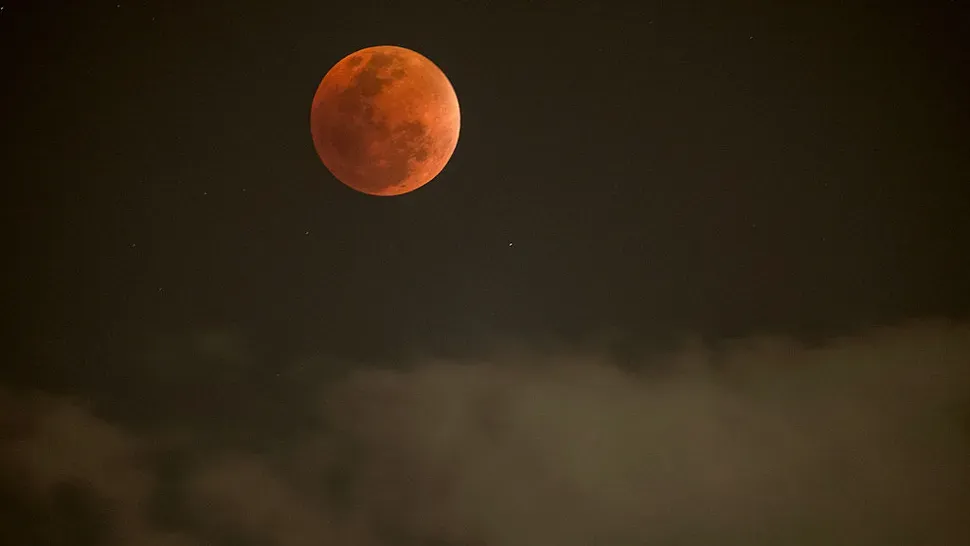
A total lunar eclipse is set to occur on March 3, 2026, promising a spectacular astronomical display as the moon takes on a deep red hue, commonly referred to as a “Blood Moon.” This phenomenon occurs when the Earth comes directly between the sun and the moon, casting a shadow that filters sunlight and produces the red coloration. Astronomers emphasize that this eclipse will be fully visible from large parts of Asia, Africa, and Europe, offering a rare opportunity for skywatchers, photographers, and researchers alike. The event also presents educational and commercial potential, boosting interest in astronomy tourism and observational technology.
Science Behind the Red Moon
A total lunar eclipse happens when the Earth’s umbra, or central shadow, completely covers the moon. The reddish coloration arises because sunlight passing through the Earth’s atmosphere is refracted, scattering shorter blue wavelengths and allowing longer red wavelengths to illuminate the lunar surface. This interplay of light and shadow creates the iconic Blood Moon appearance.
Visibility and Best Viewing Locations
The eclipse will be most visible across Asia, Africa, and parts of Europe, with peak totality lasting approximately 60–75 minutes. Skywatchers are advised to select locations with minimal light pollution and clear horizons for optimal observation. Astronomy societies and observatories often organize public viewing events to enhance engagement.
Observational and Photographic Opportunities
This eclipse offers unique opportunities for astrophotography and scientific observation, including studying lunar surface albedo changes and atmospheric effects on light refraction. Professionals and enthusiasts can use telescopes, DSLR cameras, or even binoculars to capture detailed views of the phenomenon.
Cultural and Historical Significance
Throughout history, lunar eclipses have held cultural, religious, and mythological importance. The Blood Moon has often been interpreted as a portent or celebrated as a celestial spectacle, inspiring folklore and modern cultural references.
Outlook
The March 3 lunar eclipse will not only provide a visually stunning spectacle but also foster public interest in astronomy and scientific education. For observers and enthusiasts, this event is a rare chance to witness a celestial alignment that combines natural beauty, scientific insight, and cultural fascination.
Comments