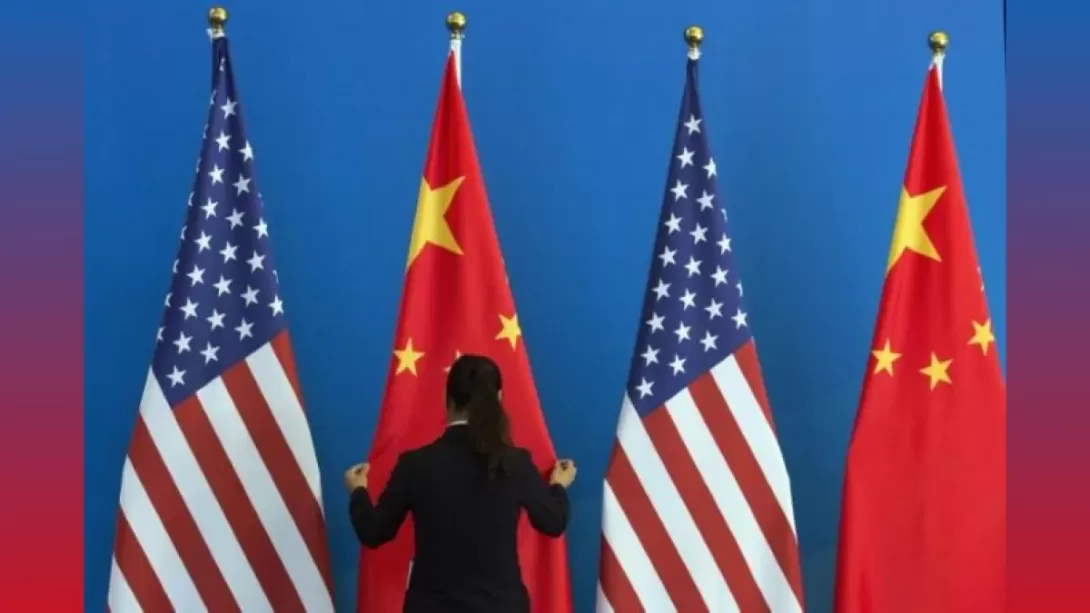
In a bold countermeasure against intensifying U.S. economic aggression, China has announced a sweeping increase in tariffs on American imports, raising rates to a staggering 125 percent, a near mirror of the U.S.'s own 145 percent cumulative tariff on Chinese goods. This escalating tariff exchange underscores the deepening economic rift between the world’s two largest economies. Despite this aggressive stance, Beijing maintains a guarded openness to diplomatic dialogue—provided it is rooted in mutual respect and parity. The global financial community is closely watching this trade conflict, as the implications could reverberate across global markets and supply chains.
China Raises the Stakes in the Trade Dispute
The Chinese Customs Tariff Commission has announced the imposition of 125 percent additional tariffs on a broad range of U.S. imports, effective immediately. This move is a direct response to the 145 percent effective tariff rate enforced by Washington, which includes an additional 20 percent duty introduced earlier in the year by the Trump administration. In a sharp rebuke, the commission described the U.S. tariff policy as “economically irrational” and destined to become “a joke in world economic history.” It emphasized that, at current tariff levels, American goods are effectively priced out of the Chinese market.
Economic Logic Fading: Tariff War Reaches Tipping Point
With duties reaching such extreme levels, the economic viability of continued trade between the two nations is rapidly deteriorating. Beijing has signaled that further tariff hikes by the U.S. will be ignored, citing that the Chinese market can no longer absorb U.S. imports under the current pricing distortions. This development effectively draws a red line in China’s trade policy—if Washington escalates further, Beijing will not reciprocate with dialogue but with “firm countermeasures.” China is prepared to “fight to the end,” according to the statement released.
Legal Retaliation: China Takes Its Case to the WTO
Beyond tariffs, China has escalated its challenge to the U.S. through legal means, filing a fresh complaint with the World Trade Organization (WTO). This is part of a broader strategy to reframe the U.S.'s tariff actions as violations of international trade norms. By invoking the WTO’s dispute settlement mechanism, China aims to garner multilateral support and assert its stance within the existing rules-based global trade framework—a stark contrast to Washington’s increasingly unilateral approach.
China Keeps Diplomatic Door Slightly Ajar
Despite the combative rhetoric and policy moves, China has not entirely abandoned the prospect of negotiation. At a press briefing, Chinese Foreign Ministry spokesperson Lin Jian emphasized that Beijing remains open to talks—but only if the U.S. abandons its pressure tactics. China insists that any dialogue must be based on “equality, mutual respect, and reciprocal benefit.” Lin reiterated that China does not desire a trade war, but is unafraid to engage in one should it be forced upon the nation.
Diplomatic Mobilization: Coordinated Strategy Underway
In parallel to economic retaliation, China is stepping up its diplomatic efforts. Foreign Minister Wang Yi convened a high-level strategy meeting with Chinese envoys worldwide, aiming to align the country's external messaging and global engagement in the wake of intensifying U.S. hostility. This diplomatic push signals Beijing’s intent to frame the U.S. as the aggressor on the international stage, while portraying itself as a defender of fair trade and global economic stability.
Implications for the Stock Market and Global Trade
This tariff escalation has direct ramifications for investor sentiment and stock markets globally. Sectors most affected include technology, agriculture, and manufacturing, which rely heavily on U.S.-China trade channels. Market analysts are warning of increased volatility as companies reassess supply chain risks and trade exposure. Investors are now pricing in prolonged geopolitical risk, which could dampen corporate earnings projections, particularly for multinationals heavily reliant on Sino-American trade flows. Additionally, this prolonged standoff could trigger capital flight, currency fluctuations, and broader uncertainty across emerging markets, particularly in Asia-Pacific.
Conclusion: A Tectonic Shift in Global Trade Dynamics
The latest round of retaliatory tariffs marks more than just a bilateral spat—it symbolizes a broader realignment in the global economic order. The once-stable trade relationship between Washington and Beijing has given way to a high-stakes contest of economic brinkmanship. Whether the standoff escalates or moves toward resolution hinges on diplomatic pragmatism from both sides. In the meantime, markets, multinational corporations, and global policymakers must brace for a prolonged period of uncertainty, recalibration, and potential disruption.
Comments