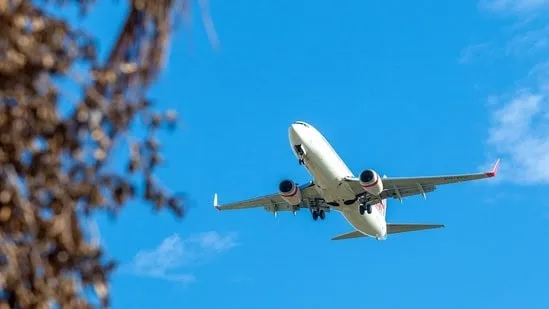
A devastating aviation accident has struck Russia’s eastern Amur region, where a passenger aircraft carrying nearly 50 people reportedly crashed during flight. Initial reports suggest that all those on board are feared dead, although authorities are still in the process of locating survivors and recovering wreckage. The incident has sent shockwaves through the nation’s aviation sector and prompted an urgent investigation by federal transport and safety officials. The crash underscores persistent concerns about aircraft maintenance, weather-related risks in remote regions, and overall operational safety in Russia’s civil aviation industry.
Catastrophic Crash in Eastern Russia
A regional passenger aircraft has crashed in Russia’s far-eastern Amur region, with authorities fearing the worst for the approximately 50 individuals on board. The flight, which was scheduled for a routine domestic journey, lost contact with air traffic control under circumstances that remain unclear. Search and rescue teams were immediately dispatched to the remote crash site, but early indications from local officials and emergency services suggest that there are likely no survivors.
Initial data indicate that the aircraft went down in rugged terrain, complicating access for rescue operations. Eyewitnesses in the vicinity reported hearing a loud explosion followed by a plume of smoke rising from a forested area. Emergency responders have since confirmed the wreckage, but recovery efforts have been hampered by harsh weather and limited infrastructure in the sparsely populated region.
Investigators Launch Full-Scale Probe
Russia’s Federal Air Transport Agency, along with regional authorities, has launched a full-scale investigation into the cause of the crash. Preliminary focus is on mechanical failure or adverse weather conditions, both of which are frequent challenges in the country’s eastern territories. The aircraft model involved has not yet been disclosed publicly, though sources close to the matter suggest it may have been an aging turboprop used for interregional connectivity.
Flight data recorders, also known as black boxes, are being sought by investigative teams as they comb through the debris. The information retrieved from these devices will be pivotal in establishing the sequence of events leading up to the crash. Aviation safety experts are also examining whether recent maintenance work or flight crew decisions may have played a role in the incident.
National Mourning and Calls for Reform
The disaster has triggered an outpouring of grief across Russia, with flags flying at half-mast in the Amur region. President Vladimir Putin has reportedly been briefed on the situation and is closely monitoring the emergency response. The federal government is expected to provide financial compensation to the victims’ families, alongside full support for funeral arrangements and related needs.
This tragedy is likely to renew scrutiny over Russia's aviation safety standards, particularly regarding older aircraft used in rural or less profitable routes. While the nation’s primary airlines maintain compliance with international regulations, regional carriers often operate under constrained budgets and face logistical challenges that heighten risk.
Broader Implications for Russia’s Aviation Sector
The crash highlights a recurring vulnerability in Russia's civil aviation network: the reliance on aging fleets and the difficulty of upgrading infrastructure in remote areas. Despite advancements in commercial aviation globally, many carriers in Russia’s interior regions continue to use outdated models due to cost constraints and lack of access to modern replacements.
Analysts believe this incident may act as a turning point, forcing regulators and operators to re-evaluate current safety protocols and fleet renewal strategies. Industry observers also expect renewed calls for government investment in aviation modernization, especially in eastern provinces that rely heavily on air travel due to geographic isolation.
Conclusion
As the nation comes to terms with yet another air disaster, the focus now shifts to rescue operations, forensic investigations, and a broader reassessment of aviation safety in Russia’s remote regions. While the loss is profound, it may also serve as a catalyst for long-overdue reforms in one of the country’s most vital, yet vulnerable, transport sectors.
Comments