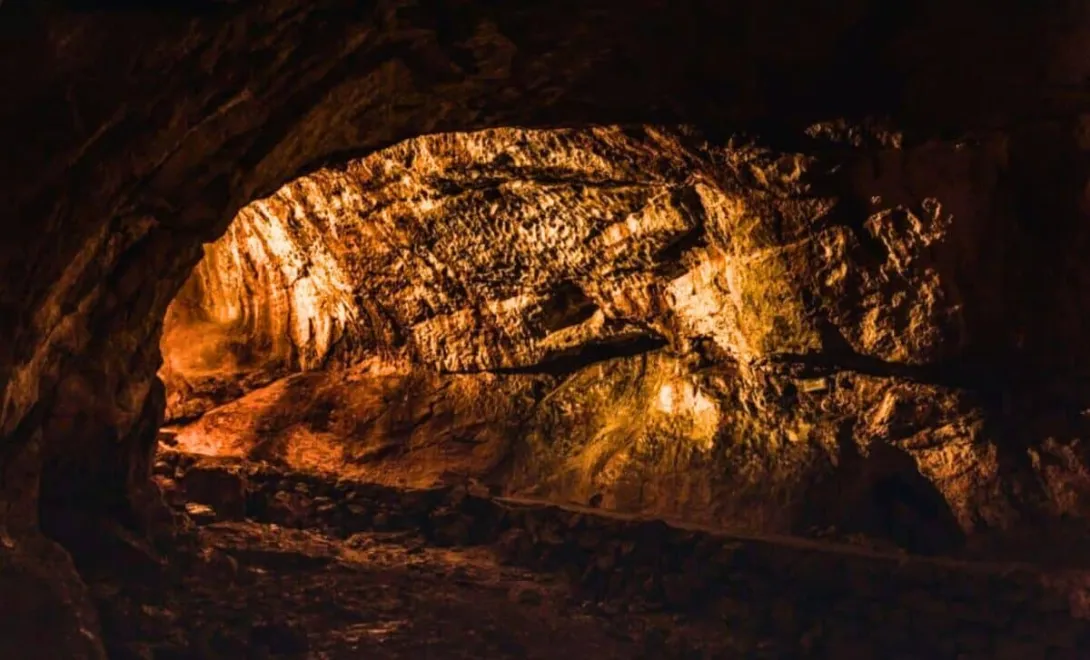
In a groundbreaking revelation, scientists have uncovered a cave sealed for approximately 57,000 years — and what lay within could redefine humanity’s understanding of early life on Earth. The findings, which include tools, carvings, and traces of symbolic behavior, suggest that the creators were not modern humans but another hominin species that thrived long before Homo sapiens reached the region. This astonishing discovery has ignited global interest, shedding light on the complexity, intelligence, and cultural development of ancient human relatives.
---
Discovery of the Cave
The site, located deep within a limestone formation, was initially identified through advanced ground-penetrating radar scans during a geological survey. When archaeologists began excavating, they realized the cave had remained completely sealed — untouched by natural or human activity for tens of millennia. Upon entry, researchers encountered an environment preserved in near-perfect condition, providing a rare, undisturbed glimpse into the prehistoric world. Layers of sediment and mineral deposits confirmed that the cave had been isolated since the late Pleistocene era.
---
Artifacts Beyond Expectation
Inside, scientists found an array of stone tools, pigments, and carved objects — artifacts demonstrating advanced cognitive and creative abilities. These items, remarkably well-preserved, were crafted using methods distinct from those typically associated with early Homo sapiens. The design patterns, use of color, and spatial arrangement within the cave indicate a culture capable of abstract thought, planning, and possibly even symbolic communication. Such evidence challenges long-held assumptions about which species first developed complex behavioral traits.
---
Evidence Points to a Different Hominin
Genetic and morphological analyses suggest that the artifacts may belong to the Neanderthals or an even lesser-known relative species, such as the Denisovans. Both groups are known to have coexisted with early humans before gradually disappearing from the fossil record. The craftsmanship of the discovered items — along with their radiocarbon dating — aligns with the timeline of Neanderthal habitation in Europe and parts of Asia. Researchers now believe these ancient species may have exhibited greater cultural sophistication than previously understood.
---
Implications for Human Evolution
This discovery challenges traditional narratives that position modern humans as the sole creators of symbolic art and complex tools. Instead, it highlights a shared evolutionary intelligence — suggesting that cultural expression and abstract reasoning may have emerged in multiple human species independently. Experts assert that this finding could lead to a reevaluation of how cognitive evolution unfolded, revealing a broader, more interconnected prehistoric world than history has so far acknowledged.
---
Preserving the Discovery
Given the exceptional condition of the site, conservationists are working closely with archaeologists to ensure the cave remains protected. Specialized climate-control systems are being installed to maintain stable humidity and temperature levels, preventing damage to the delicate artifacts. Digital mapping and 3D scanning are also underway, allowing scientists to study the environment without excessive disturbance and to create virtual models for educational and research purposes.
---
A Glimpse into Our Shared Past
As the analysis continues, the cave promises to reshape humanity’s understanding of its origins. The discovery reveals that the capacity for creativity, symbolism, and innovation was not exclusive to Homo sapiens, but rather a shared trait among multiple branches of the human family tree. This revelation not only deepens the mystery of our ancient relatives but also bridges the gap between them and us — underscoring the universal drive to create, adapt, and express.
Comments