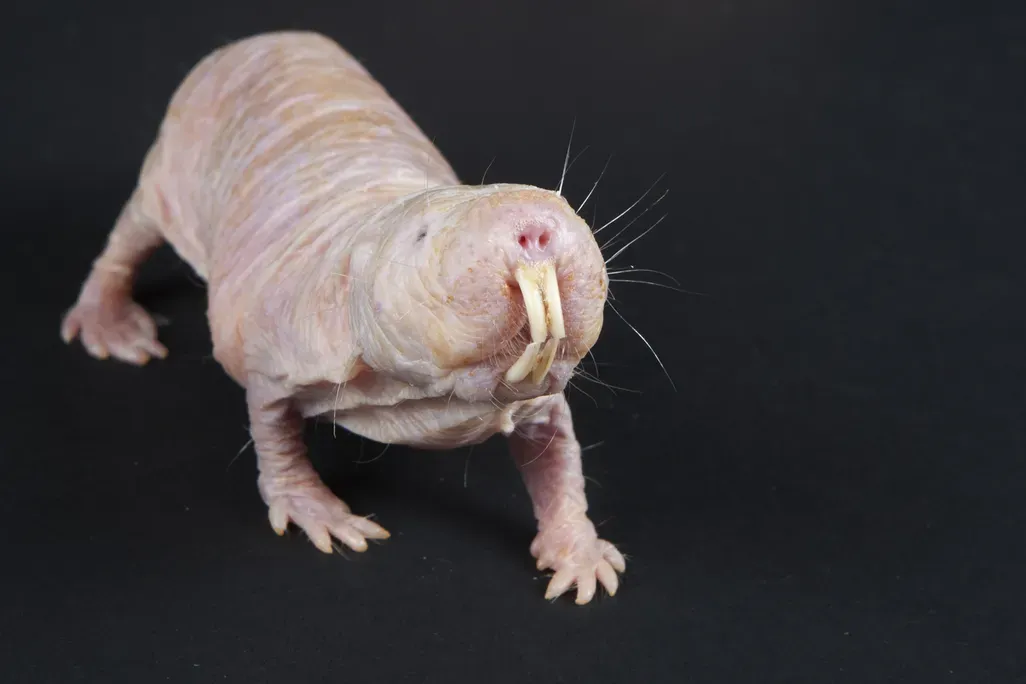
Researchers have uncovered key biological mechanisms that contribute to the extraordinary longevity of naked mole rats, rodents known to live up to 30 years—an exceptional lifespan for small mammals. The study identifies unique cellular and genetic adaptations, including enhanced DNA repair, cancer resistance, and efficient metabolic regulation, that enable these animals to thrive in harsh subterranean environments. Beyond advancing knowledge of aging, these findings hold potential implications for human health, offering pathways to delay age-related diseases and improve longevity. Scientists emphasize that understanding these natural mechanisms could inform future therapies targeting cellular resilience and metabolic efficiency.
Understanding the Naked Mole Rat Phenomenon
The naked mole rat, a hairless rodent native to East Africa, has long fascinated scientists due to its resilience to disease and prolonged lifespan. Unlike other rodents, these animals maintain physiological functions and reproductive capability well into advanced age. Their subterranean lifestyle, low oxygen tolerance, and social structure contribute to unique evolutionary pressures that have shaped their exceptional biology.
Biological Mechanisms Behind Longevity
Recent research highlights several critical adaptations:
- Enhanced DNA Repair: Naked mole rats demonstrate superior mechanisms to detect and repair cellular damage, reducing mutation accumulation that typically accelerates aging.
- Cancer Resistance: Their tissues exhibit heightened resistance to uncontrolled cell proliferation, with studies showing an absence of spontaneous tumors in laboratory observations.
- Metabolic Efficiency: The rodents maintain low oxidative stress levels despite high metabolic rates, mitigating cellular wear-and-tear over time.
These factors collectively create a robust system that protects against aging and chronic diseases, setting naked mole rats apart from other mammals.
Implications for Human Health
The discovery of these mechanisms opens new avenues for biomedical research. By studying the genetic and cellular traits of naked mole rats, scientists hope to develop interventions that could enhance human cellular resilience, reduce the incidence of age-related diseases, and improve overall longevity. Pharmaceutical and biotech industries are particularly interested in translating these findings into therapies targeting DNA repair, metabolic regulation, and cancer prevention.
Future Research Directions
Ongoing studies aim to map the full genome and protein networks responsible for longevity, exploring how these traits can be applied in human medicine. Comparative analysis with other long-lived species may reveal universal principles of aging, offering insights into slowing or reversing age-related cellular decline. Collaborative research between gerontology, genetics, and molecular biology is expected to accelerate breakthroughs in this field.
Conclusion
The naked mole rat continues to serve as a living model for understanding longevity and disease resistance. By unraveling the secrets of its prolonged lifespan, scientists are not only solving a longstanding biological mystery but also paving the way for innovations in human health, aging, and lifespan extension.
Comments