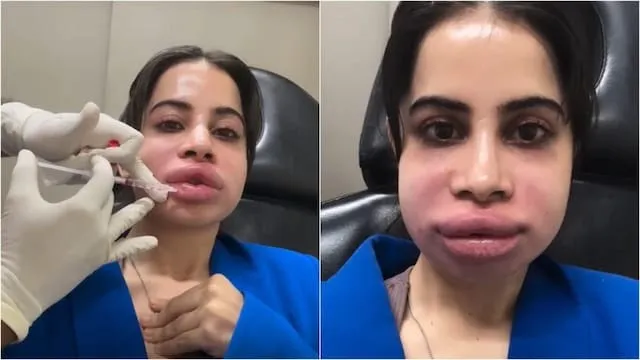
Television personality and social media influencer Uorfi Javed has candidly shared her experience of undergoing cosmetic filler dissolution, revealing that the procedure left her with a visibly swollen face and significant discomfort. Known for her unfiltered persona and boundary-pushing fashion choices, Javed took to social platforms to highlight the physical and emotional toll of reversing cosmetic enhancements. Her revelation has sparked conversations around beauty standards, the pressures of public image, and the realities of aesthetic procedures. With this public disclosure, Javed sheds light on a growing, yet often under-discussed, aspect of the beauty industry.
---
A Painful Personal Revelation
In a rare moment of vulnerability, Uorfi Javed spoke openly about her decision to dissolve facial fillers—a reversal procedure that is gaining visibility among celebrities and influencers. According to her account, the experience was far from easy. She described the aftermath as “extremely painful,” noting significant swelling and facial changes during the recovery process.
Her disclosure comes at a time when more public figures are revisiting previous cosmetic choices, either due to health concerns or a desire for authenticity. For Javed, the choice to dissolve her fillers was both aesthetic and personal, underscoring the complexity of navigating beauty in the public eye.
---
The Hidden Reality Behind Aesthetic Reversals
Facial filler dissolutions, often performed using hyaluronidase injections, are marketed as quick corrective procedures. However, they can be physically taxing and emotionally distressing. Javed’s experience reflects that reality. Despite being non-surgical, the treatment may lead to temporary inflammation, tenderness, and in some cases, visible asymmetry during healing.
While cosmetic enhancements have become increasingly normalized, their reversal is a growing trend, especially among high-profile individuals aiming for a more natural appearance. Javed’s openness brings visibility to the lesser-seen side of the beauty industry—the discomfort, uncertainty, and psychological toll that can accompany these decisions.
---
Navigating Beauty Pressures in the Public Sphere
As someone constantly in the spotlight, Javed’s appearance is frequently scrutinized by both media and audiences. Her admission highlights the immense pressure faced by public figures to conform to changing standards of beauty, often leading them to undergo—and later undo—cosmetic interventions.
By discussing the pain and challenges associated with her decision, she not only humanizes the process but also encourages more informed discussions about body image, aesthetic agency, and the emotional complexities tied to appearance enhancement in the entertainment industry.
---
Sparking a Broader Dialogue
Javed’s statement has already prompted widespread reactions, particularly among her followers who praised her honesty and courage. It also serves as a reminder that beauty transformations—whether undertaken or reversed—are deeply personal journeys that involve more than what meets the eye.
The incident is part of a broader cultural shift, where influencers and celebrities are increasingly speaking out about the side effects and regrets linked to cosmetic procedures. In doing so, they help dismantle the illusion of effortless perfection that social media often portrays.
---
Conclusion: Courage in Transparency
Uorfi Javed’s decision to share her painful experience with filler dissolution serves as an important counter-narrative to the glamorized portrayal of cosmetic procedures. In choosing transparency over perfection, she invites a necessary conversation around authenticity, self-acceptance, and the emotional truth behind beauty trends. While the public may continue to debate the aesthetics, Javed’s courage in embracing discomfort and imperfection is a reminder that vulnerability can be the most powerful form of influence.
Comments