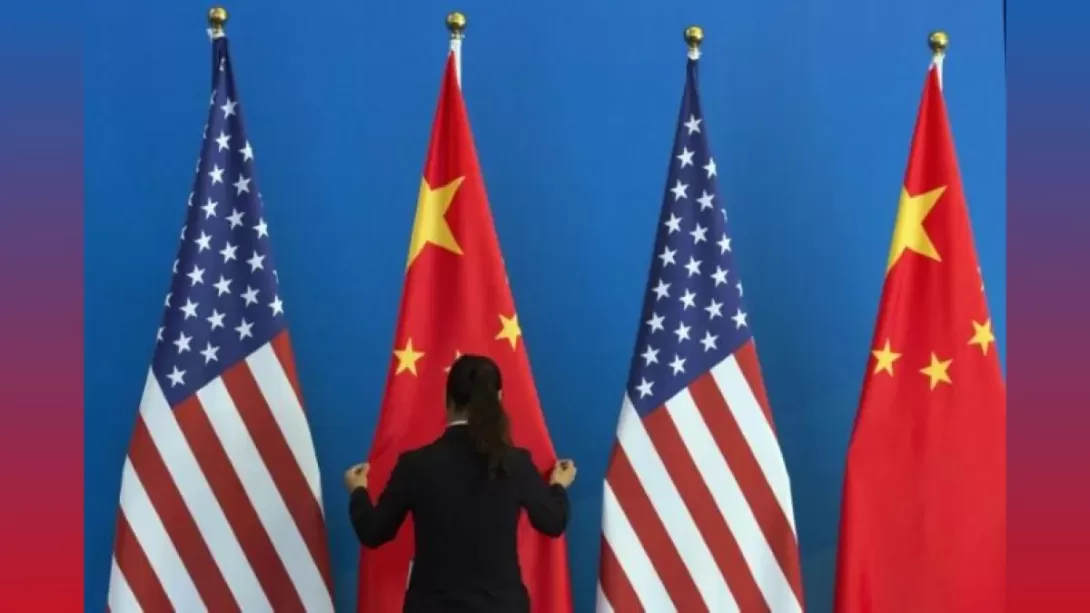
The trade conflict between the US and China has reached a dangerous precipice, with both countries on the brink of an all-out trade war. President Trump has threatened to impose an additional 50% tariff on Chinese imports, which would push the total tariff on goods from China to a staggering 104%. In response, China has vowed to retaliate, with officials describing the US move as "blackmail." As tensions heighten, both sides appear prepared for an extended economic battle, one that could have far-reaching consequences for global trade, supply chains, and the international economy.
US Threatens to Escalate Tariffs on Chinese Goods
In a bold move on Monday, President Donald Trump issued a warning to China: if the country does not retract its 34% retaliatory tariffs on US goods, the US would impose an additional 50% tariff on Chinese imports, effective as early as Wednesday. This new levy would bring the total tariff on Chinese goods imported into the United States to an unprecedented 104%. The proposed increase is part of Trump’s broader strategy to confront what he views as unfair trade practices by China, including concerns over currency manipulation, illegal subsidies, and non-tariff barriers.
Trump’s announcement builds on a series of tariffs he previously imposed on Chinese products, beginning with a 20% tariff on Chinese imports earlier in his presidency, specifically targeting goods related to the flow of fentanyl, an opioid drug that has contributed to a major public health crisis in the US.
China's Resounding Retaliation and Defiant Stance
In response to the US’s latest tariff threat, China's Foreign Ministry issued a sharp rebuke, with spokesperson Lin Jian declaring that China would not accept what it described as US “blackmail.” According to Lin, China is prepared to “fight to the end” if the US persists with its aggressive tariff policies, asserting that such actions are "a mistake on top of a mistake." He warned that these escalating tariffs are an example of unilateral bullying, adding that they violate the principles of fair international trade.
China’s Ministry of Commerce echoed these sentiments, emphasizing that the 34% tariffs China imposed in retaliation for previous US levies are entirely legitimate and necessary for safeguarding China's national interests, security, and development goals. China has pledged to take strong countermeasures should the US escalate its tariffs further, positioning the country in direct opposition to Washington's trade strategy.
The Economic Impact of a Full-Blown Trade War
The economic ramifications of a protracted trade war between the two largest economies in the world would be profound. Economists have warned that Trump's tariffs could significantly harm the Chinese economy, with estimates suggesting that they could reduce China's GDP by 2% to 2.5%. China’s reliance on the US market—its third-largest trade partner after ASEAN and the EU—means that a reduction in exports to the US could deal a serious blow to its economic growth.
Additionally, China’s exports to the US, totaling USD 438.9 billion last year, would face a much higher cost under the proposed tariff increases, making Chinese goods less competitive in the American market. For its part, China retaliated with its own 34% tariffs on USD 143 billion worth of US goods, further escalating the standoff. If both countries press ahead with their tariff hikes, it is likely that global supply chains will suffer disruptions, and industries dependent on trade between the two countries could face significant losses.
Trade War Warnings: No Winners in Protectionism
As both nations dig in their heels, it becomes increasingly clear that there will be no winners in a trade war. Lin Jian cautioned that trade wars and tariffs only lead to negative consequences, with no party emerging unscathed. He underscored that the path of protectionism is a dead end, one that will harm both countries and the broader international economy. His comments reflect the broader sentiment among economists and trade analysts, who argue that the ongoing escalation is detrimental to global economic stability.
China has also expressed concerns over the future of global trade order, warning that the US’s unilateral actions undermine the international system, which is built on principles of equality and mutual benefit. According to Chinese officials, the US approach to tariff negotiations is not only misguided but also reflects an unwillingness to engage in meaningful dialogue.
Impact on US-China Relations and the Global Economy
The ongoing trade conflict is already having a significant impact on US-China relations, with both sides increasingly at odds. China’s Commerce Ministry has repeatedly emphasized that its retaliatory tariffs are a defensive measure aimed at protecting its sovereignty and development interests. The Chinese government has made it clear that if the US chooses to escalate the trade war further, China will respond accordingly, regardless of the consequences.
From a global perspective, the US-China trade war could have far-reaching consequences beyond just the two countries involved. As the world's largest economies, their actions influence global trade patterns, financial markets, and international supply chains. If the trade conflict continues to escalate, it could lead to greater volatility in global markets, disrupt established trade relationships, and create uncertainty for businesses worldwide.
Conclusion: A Dangerous Escalation with No Easy Resolution
The standoff between the US and China has reached a critical juncture, with both nations seemingly on the verge of a full-scale trade war. The potential 50% tariff imposed by the US would push trade barriers to unprecedented levels, with significant economic consequences for both countries and the global economy. Despite the warnings from economists and trade experts, both sides appear resolute in their positions, and the conflict shows no signs of abating.
As the situation unfolds, the world will be watching closely to see whether diplomacy or further confrontation prevails. One thing is certain: in a trade war, there are no true winners, and the cost of escalation may be far greater than the perceived gains.
Comments