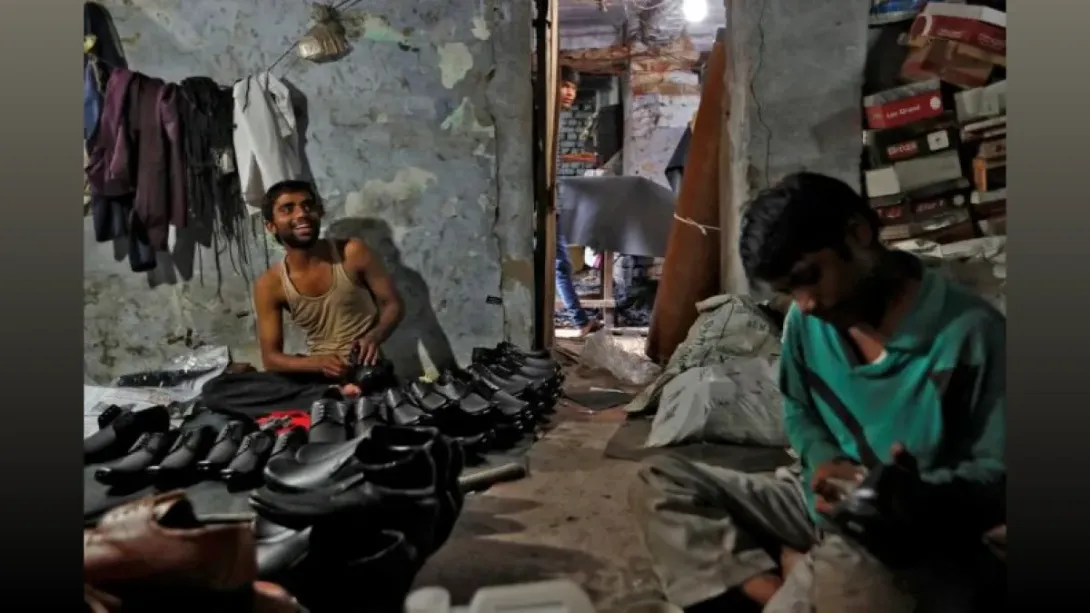
The Indian leather industry, a key export-oriented sector contributing significantly to employment and GDP, is confronting fresh challenges due to recent U.S. tariff increases on leather products. Analysts report that these measures could temper export volumes, disrupt market access, and exert pressure on revenue streams for manufacturers. India’s leather exports, valued at approximately Rs. 30,000 crore annually, rely heavily on North American markets, which account for a substantial share of demand. The tariff imposition coincides with global cost pressures and rising input prices, creating a complex operating environment for exporters navigating both domestic and international dynamics.
Scope of Tariff Impact
The U.S. administration has levied tariffs on select categories of leather goods, including footwear, handbags, and leather apparel. Indian exporters, who benefit from cost-competitive production and skilled craftsmanship, now face increased price competitiveness challenges, as products become costlier for U.S. buyers.
Industry sources suggest that margins for small and medium-sized enterprises (SMEs) may be particularly affected, given limited capacity to absorb additional import duties. Larger players may mitigate the impact through strategic pricing, supply chain diversification, and product innovation.
Export Trends and Market Dependency
Indian leather exports have experienced consistent growth over the past decade, with North America representing nearly 35% of total shipments. Other key markets include the European Union, the Middle East, and East Asia.
The U.S. market has historically been attractive due to its high-value consumer base, favoring premium footwear and fashion accessories. With tariffs now raising effective costs by 5–10%, exporters anticipate both short-term order deferrals and potential shifts in sourcing to other regions, particularly Europe and Asia.
Industry Response and Strategic Adjustments
The Council for Leather Exports (CLE) has engaged with government authorities to explore remedial measures, including tariff negotiations, trade facilitation, and potential subsidies for affected exporters.
Manufacturers are also adapting strategies to navigate the disruption:
- Diversification of Markets: Expanding footprints in Europe, the Middle East, and Southeast Asia to reduce dependency on U.S. buyers.
- Value Addition: Shifting focus toward premium, branded products to justify higher prices in export markets.
- Supply Chain Optimization: Sourcing raw hides domestically and leveraging cost efficiencies to maintain margin resilience.
Experts note that long-term competitiveness will rely on technology adoption, branding, and sustainability measures, as consumers increasingly favor ethically produced and environmentally certified leather products.
Macroeconomic and Employment Implications
The leather sector supports over 4 million jobs in India, spanning tanneries, manufacturing units, and allied services. Tariff-induced revenue pressures could affect employment levels, especially among SMEs concentrated in West Bengal, Tamil Nadu, and Uttar Pradesh.
A senior industry executive remarked, “The U.S. tariffs are an immediate challenge, but they also highlight the importance of market diversification and moving up the value chain. Indian leather has the quality and heritage to retain global relevance if strategic steps are taken promptly.”
Outlook and Strategic Recommendations
While the tariff imposition is a short-term disruption, analysts remain cautiously optimistic about the Indian leather industry’s medium-term prospects. Key strategies to sustain growth include:
Market Expansion: Target emerging markets in Africa, Latin America, and East Asia.
Brand Development: Position Indian leather as premium, ethically sourced, and environmentally friendly.
Technological Integration: Employ automation, digital design, and precision manufacturing to reduce costs and improve product differentiation.
Policy Engagement: Collaborate with the government to negotiate favorable trade agreements and secure export incentives.
By combining operational agility with strategic market positioning, Indian leather exporters can mitigate the impact of U.S. tariffs while reinforcing long-term competitiveness.
Conclusion: Navigating Trade Headwinds with Strategic Adaptation
The U.S. tariff challenge underscores the vulnerability of export-dependent industries to global policy shifts. For India’s leather sector, the immediate task is to absorb cost pressures, diversify markets, and enhance product value, ensuring resilience in a complex international trade environment.
With proactive government support and industry-led innovation, Indian leather exports can continue to thrive, maintaining revenue growth and preserving employment in this heritage-rich and globally recognized sector.
Comments