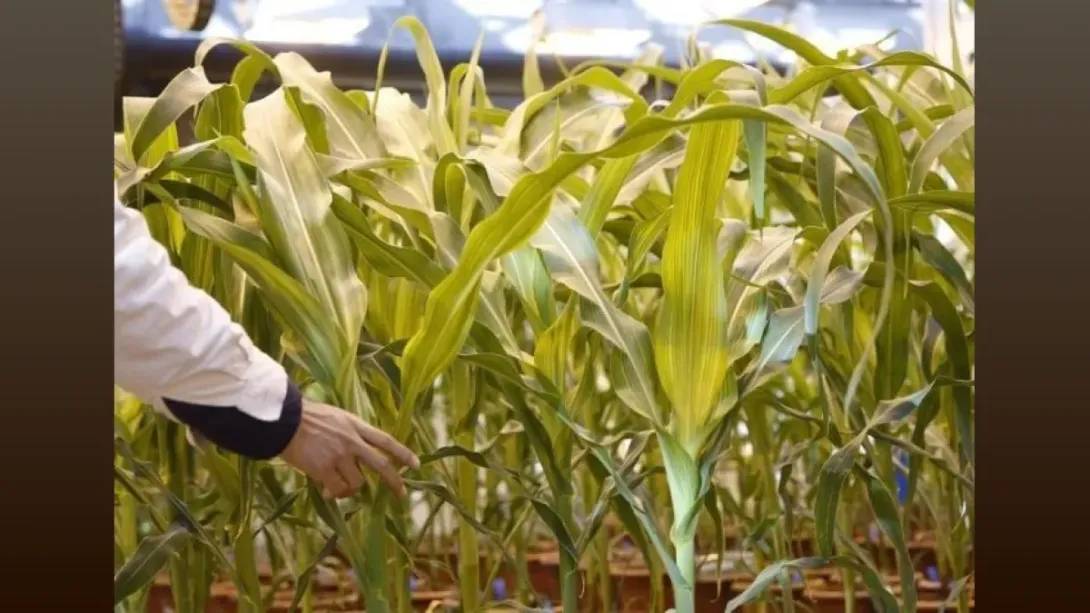
The Uttar Pradesh government has announced that it will commence procurement of coarse grains starting October 1, as part of its efforts to support farmers and stabilize the agricultural market. The initiative aims to ensure fair prices for crops such as jowar, bajra, and maize, protecting farmers from market volatility and promoting food security. By facilitating timely procurement, the state government seeks to reduce distress sales, strengthen the public distribution system, and provide a predictable income stream for cultivators across the state, thereby reinforcing Uttar Pradesh’s position as a key contributor to India’s agricultural output.
---
Objectives of the Procurement Drive
The procurement program is designed to safeguard farmers against price fluctuations in the open market. By purchasing coarse grains at minimum support prices (MSP), the government ensures that cultivators receive fair remuneration for their produce. This initiative also complements the state’s broader agricultural strategy, which includes enhancing storage infrastructure, streamlining logistics, and supporting allied agri-businesses.
---
Crops Covered and Minimum Support Prices
The program focuses on coarse grains such as jowar (sorghum), bajra (pearl millet), maize, and ragi (finger millet). Each crop is procured at the MSP set by the central government, which provides a safety net for farmers. The timely announcement allows cultivators to plan harvests and deliveries efficiently, reducing post-harvest losses and ensuring smoother operations at procurement centers.
---
Impact on Farmers and Rural Economy
The initiative is expected to provide significant relief to farmers by guaranteeing revenue streams amid market uncertainties. Timely procurement reduces the need for distress selling to private traders at suboptimal rates. Additionally, increased government purchases can stimulate local economies, creating jobs in transportation, storage, and logistics sectors while supporting small-scale agro-industries.
---
Logistics and Implementation
State-run procurement centers and designated mandis will be the primary hubs for collection. The government has also planned measures to ensure transparency, prevent hoarding, and maintain proper documentation. Digital systems may be leveraged to track stock movement and provide real-time information to farmers, facilitating efficiency in operations.
---
Broader Policy Implications
The procurement drive aligns with the government’s broader goals of food security, farmer welfare, and market stability. By guaranteeing fair prices for coarse grains, the initiative not only strengthens agricultural livelihoods but also supports the public distribution system, ensuring adequate supply for the state’s population. Moreover, it reflects an emphasis on strengthening rural income streams in a post-pandemic economic recovery scenario.
---
Conclusion
The Uttar Pradesh government’s announcement to procure coarse grains from October 1 is a strategic step toward empowering farmers and stabilizing the agricultural market. By providing fair prices, improving logistics, and supporting rural economies, the initiative demonstrates a proactive approach to addressing market volatility and enhancing the sustainability of India’s agricultural sector.
Comments