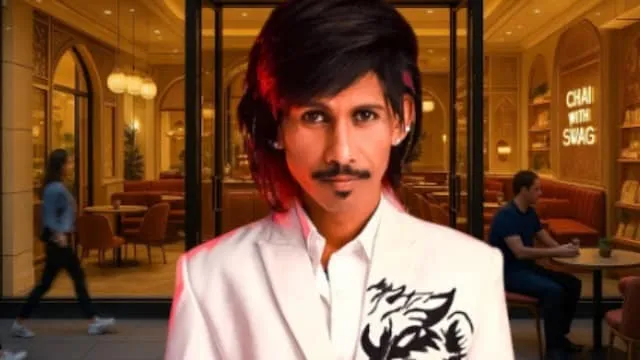
Dolly Chaiwala, whose charismatic tea-serving style turned him into a social media icon, has announced plans to launch a nationwide franchise chain, sparking widespread astonishment online. Renowned for blending street-side simplicity with flamboyant flair, Dolly’s transformation from local vendor to aspiring entrepreneur underscores the powerful interplay between digital influence and grassroots business models. While many applaud his ambition, others express curiosity—and skepticism—about how such a brand might scale without diluting its authentic charm. This development highlights a broader cultural moment where personality-driven micro-brands increasingly transition into structured commercial ventures, reshaping traditional perceptions of small enterprises.
---
The Rise of a Chai Phenomenon
Long before he entertained millions across social platforms, Dolly Chaiwala was simply another roadside tea vendor in India’s bustling streets. His distinctive style—marked by quicksilver hand movements, playful banter, and a dramatic flourish of pouring chai—quickly captivated passersby, eventually catapulting him to internet stardom.
Videos of Dolly preparing tea with infectious energy went viral, amassing millions of views and turning him into an emblem of how ordinary crafts can achieve extraordinary visibility in the digital age. His popularity transcended local fame, earning attention from celebrities and brands keen to associate with his authentic street persona.
---
Announcing a Franchise Dream
In a move that few anticipated, Dolly recently revealed plans to establish a formal chai franchise, aiming to bring his unique experience to a structured retail format across multiple cities. The idea of replicating what has largely been an intensely personal, location-specific affair into a scalable enterprise has intrigued industry watchers and fans alike.
According to sources familiar with the plans, Dolly hopes to standardize his recipes, staff training, and service rituals to preserve the essence of his brand while expanding its reach. Early discussions suggest a model that combines traditional tea stalls with modern branding, potentially appealing to both urban millennials and nostalgic patrons.
---
Public Reactions: A Mix of Excitement and Skepticism
The announcement ignited a flood of reactions online, with many cheering on Dolly’s audacity and entrepreneurial spirit. Admirers hailed it as a classic underdog story—an ordinary tea seller leveraging viral fame to rewrite his economic destiny.
However, not all commentary was unreservedly positive. Some users questioned whether the very spontaneity and charm that made Dolly famous could survive the transition into a standardized chain. Would employees at franchise outlets truly capture his signature theatrics? Could the tea’s rustic magic endure under uniform corporate protocols?
---
A Broader Lesson in Digital-Era Branding
Dolly Chaiwala’s journey reflects a significant cultural and business trend: the power of personal brands fueled by social media to pivot into structured enterprises. From influencers launching skincare lines to local artisans opening global e-stores, the intersection of digital virality and small-scale commerce is reshaping traditional entrepreneurial pathways.
Analysts suggest that while Dolly’s brand holds immense emotional and cultural currency, its long-term viability will depend on how well the franchise model balances authenticity with operational consistency. Successful replication of his style could set a precedent for other micro-entrepreneurs seeking to scale grassroots fame into sustainable businesses.
---
Conclusion: A New Chapter Brews
Dolly Chaiwala’s franchise ambitions are more than just a quirky internet headline—they symbolize how individual creativity, amplified by digital platforms, can evolve into formidable business ventures. Whether this bold expansion will retain the raw charm that first endeared Dolly to millions remains an open question. Yet his story already serves as an inspiring testament to the possibilities that await local talents willing to dream beyond their street corners, blending tradition with modern entrepreneurial aspiration.
Comments