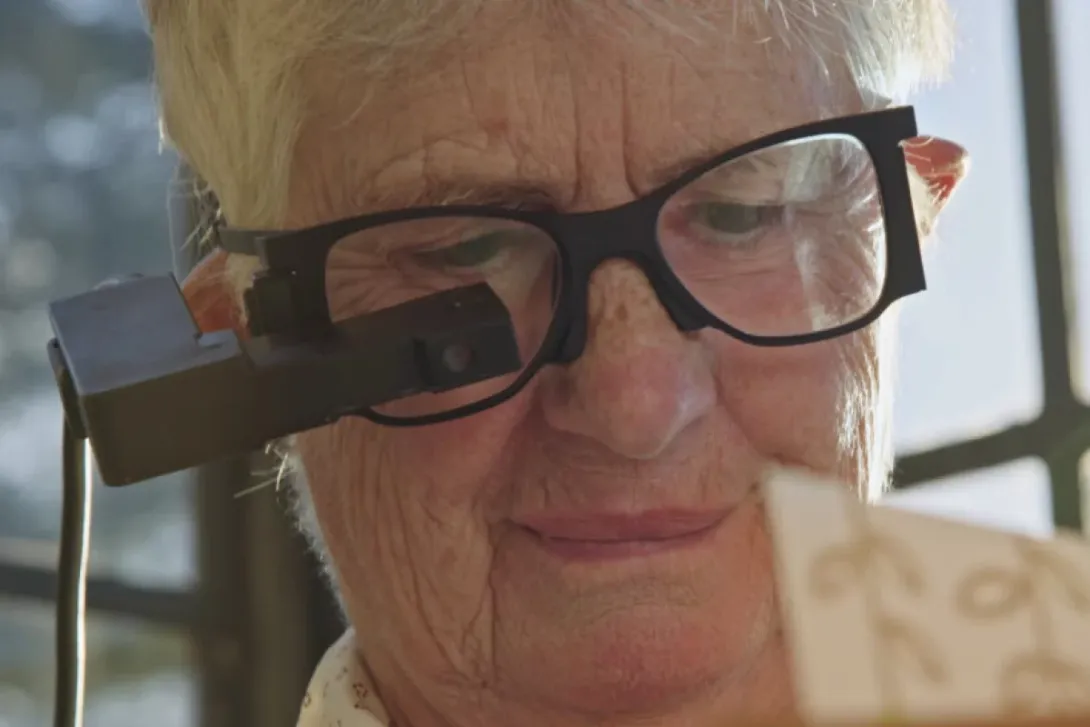
A pioneering retinal implant is redefining possibilities for individuals once deemed permanently blind. The device—no larger than a grain of rice—uses advanced microchip technology and augmented-reality (AR) integration to partially restore sight to patients with severe vision loss caused by advanced macular degeneration. Clinical results have demonstrated that 80–85% of trial participants regained the ability to recognize letters and objects, signaling not only a medical triumph but also a potential multi-billion-rupee market opportunity in vision technology, healthcare innovation, and neuro-prosthetics. This breakthrough underscores how science, business, and ethics converge at the frontier of human capability.
A Technological Breakthrough in Vision Science
In a controlled clinical trial across multiple European research centers, scientists achieved what was once considered impossible—returning functional sight to individuals living with irreversible blindness. The innovation centers on a photovoltaic microchip known as the PRIMA implant, which is inserted beneath the retina. Measuring approximately 2 mm², the device converts infrared signals from AR glasses into electrical impulses that stimulate the optic pathway.
When paired with specialized AR glasses equipped with miniature cameras, the implant translates visual data into light pulses the brain can interpret as images. This allows patients to perceive shapes, letters, and even small objects—restoring a degree of autonomy previously unattainable for those with late-stage age-related macular degeneration (AMD).
Economic and Market Implications
From an investment perspective, this breakthrough represents a critical inflection point in medical technology and healthcare economics. The global market for retinal implants and visual prosthetics is projected to expand exponentially, driven by increasing cases of vision loss due to aging populations and chronic conditions. Analysts estimate that the industry could exceed Rs. 45,000 crore globally by 2030, fueled by rising adoption of advanced surgical and neuro-interface technologies.
For India, where over 12 million individuals live with vision impairment, the technology offers both humanitarian promise and commercial opportunity. Partnerships between med-tech firms, ophthalmic institutions, and government health programs could position India as a manufacturing and innovation hub for next-generation visual restoration systems.
Moreover, investors are eyeing related markets such as sensor miniaturization, AR-based software integration, and post-implant rehabilitation services. Each of these sub-sectors stands to gain from the cascading innovation initiated by this breakthrough.
Challenges in Commercialization and Accessibility
Despite its transformative potential, the technology faces practical barriers before mass deployment. The implant procedure demands surgical precision, highly trained ophthalmic surgeons, and specialized equipment—factors that raise costs significantly. The combined price of the implant, AR glasses, and post-surgical training could initially exceed Rs. 30 lakh per patient, limiting accessibility to wealthier markets or those with comprehensive health insurance.
Regulatory approval, ethical considerations, and the long-term performance of implants will also play decisive roles in market expansion. Policymakers must address pricing models, insurance frameworks, and technology transfer protocols to make such treatments available to wider populations without exacerbating healthcare inequality.
However, experts argue that costs will decline as production scales and clinical experience accumulates. Just as cardiac stents and cochlear implants became more affordable over time, the same trajectory could unfold for vision-restoring implants—provided early investment supports infrastructure and training.
A Human and Societal Transformation
Beyond its scientific and economic dimensions, the implant’s social impact is profound. For patients who had lost the ability to read, navigate, or recognize loved ones, regaining even partial vision represents not just medical progress but a restoration of dignity and independence. Rehabilitation programs report significant emotional and psychological benefits among trial participants, underscoring how medical innovation can reshape quality of life.
Societal implications extend further. A growing segment of the aging population could reenter the workforce, reducing the burden on social welfare systems. Moreover, advances in neuro-prosthetic design may eventually pave the way for brain-integrated vision systems, enhancing both human perception and productivity.
The Future of Vision Technology
Looking ahead, the convergence of biotechnology, artificial intelligence, and augmented reality could further revolutionize eye care. Future iterations of retinal implants may provide full-color vision, enhanced resolution, and wireless data synchronization with diagnostic platforms—creating a seamless interface between biology and technology.
Industry experts predict that major med-tech players will enter strategic partnerships with AI firms and research universities to accelerate R&D in this field. The race to commercialize reliable, scalable, and affordable vision-restoration devices could mirror the global competition that once defined the smartphone revolution—only this time, it is the human eye being upgraded.
Comments