On a diplomatic mission to bolster trade and political relationships amid escalating tariffs with the United States, Chinese President Xi Jinping arrived in Vietnam on a pivotal visit aimed at strengthening regional ties. The Chinese leader is prioritizing enhanced cooperation with Southeast Asian nations, particularly through joint modernization efforts. Xi’s trip, his first foreign visit after U.S. tariffs imposed under President Trump, underscores China’s shift away from reliance on U.S. and European markets as it focuses on fortifying relationships within Asia. The president's comments highlight the growing challenges and opportunities for China’s diplomacy in the region.
Xi Jinping’s Visit to Southeast Asia: A New Phase in China’s Foreign Diplomacy
In the face of escalating trade tensions with the United States, Chinese President Xi Jinping is navigating a new diplomatic strategy aimed at reinforcing China’s political and trade relations within its neighborhood. Arriving in Vietnam for his first visit abroad after U.S. tariffs were placed on Chinese exports, Xi is working to solidify China's position in Asia and reduce the economic fallout from U.S. trade policies. His visit to Vietnam, Malaysia, and Cambodia marks a critical point in China’s pivot towards deepening ties with Southeast Asia while simultaneously aiming to modernize Asia through cooperative efforts with its neighbors.
A Diplomatic Shift: Strengthening Ties with ASEAN Nations
The backdrop to Xi’s visit is China’s intensifying tariff war with the United States, which has led to a reevaluation of trade dependencies. U.S. President Donald Trump’s aggressive tariffs, which spiked to 145% against Chinese goods, have significantly impacted China’s foreign trade strategy. In retaliation, China imposed reciprocal tariffs on U.S. products, marking the beginning of a major trade conflict between the two global powers.
In response to these challenges, Xi is working to forge stronger diplomatic and economic bonds within Asia, particularly with the ASEAN bloc, which represents China’s largest foreign trade partner. With trade totaling over USD 962 billion, Southeast Asia plays a pivotal role in China’s economic future. Through his visit, Xi has emphasized China’s commitment to sustaining “continuity and stability” in its neighborhood diplomacy, with a focus on “amity, sincerity, mutual benefit, and inclusiveness.”
As part of this strategy, Xi is pursuing joint modernization efforts with Southeast Asian countries, positioning China’s development as an opportunity for regional growth. This emphasis on shared modernization reflects China’s goal of reducing its reliance on Western markets, particularly the U.S. and Europe, which have traditionally been central to its export-driven economy.
Southeast Asia’s Strategic Role in the U.S.-China Trade War
The U.S.-China trade war has forced significant shifts in the global trade landscape, and Southeast Asia has emerged as a key player in this evolving narrative. Countries like Vietnam have become critical beneficiaries of the “China Plus One” strategy, with multinational companies, including Apple, relocating parts of their supply chains to avoid U.S. tariffs on Chinese goods. Vietnam, in particular, has leveraged its proximity to China to reshore Chinese industries and products, benefiting from its access to U.S. markets. In 2023, Vietnam’s exports to the U.S. surpassed USD 142 billion, underscoring the growing trade flow between the two nations.
However, Vietnam’s success has not gone unnoticed by the U.S. administration. Recently, President Trump imposed a 46% tariff on Vietnamese goods, targeting the country’s reshoring strategy. This move comes on the heels of Trump’s tariff policies against China, which were initially designed to reduce America’s trade deficit. In light of this, Vietnam has been seeking to renegotiate its tariff terms with the U.S., pushing for a fairer agreement during the 90-day tariff pause, which was announced following intense diplomatic negotiations.
Xi’s visit comes at a critical juncture for Vietnam, as the country faces heightened pressure due to the trade dispute with the U.S. His trip signals China’s willingness to strengthen its relationships with ASEAN nations, potentially helping to cushion Vietnam and other Southeast Asian economies from the adverse effects of the U.S.-China trade war.
Navigating Tensions: China’s Strategic Rebalancing
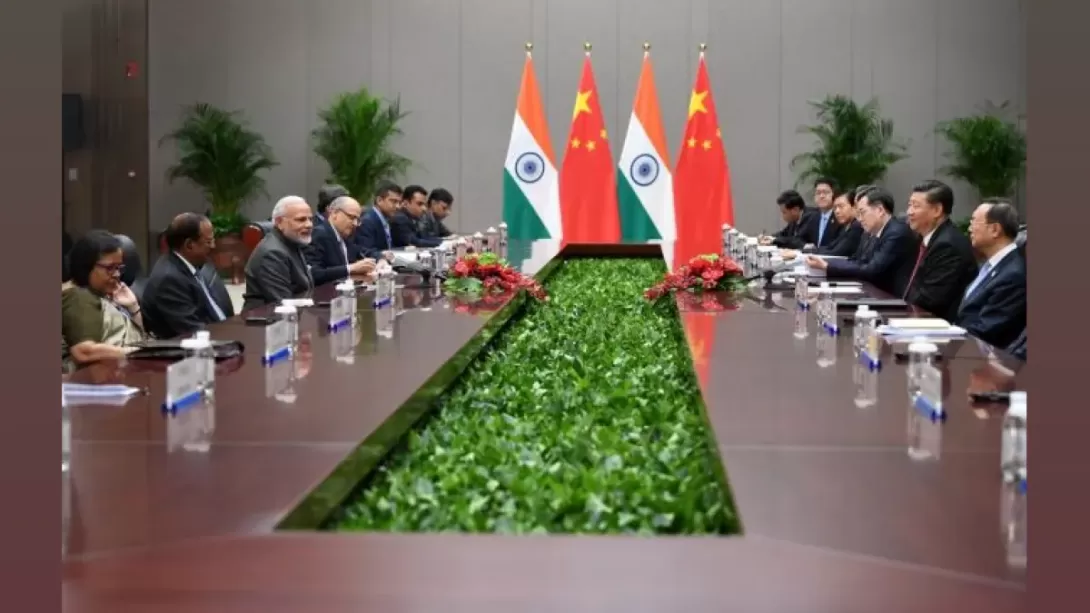
Xi’s diplomatic efforts are not confined to trade alone; they also address broader geopolitical dynamics, particularly concerning China's strained relationships with neighboring countries. Over the past few years, China has worked to defuse tensions with India, following the prolonged standoff in Eastern Ladakh. The meeting between Xi and Indian Prime Minister Narendra Modi in Russia last year marked a step toward improving bilateral relations.
Additionally, Xi has sought to rebuild trade dialogue with Japan and South Korea, with the three countries recently holding their first economic talks in five years. These efforts are part of a broader strategy to enhance China’s diplomatic footprint across Asia, as Beijing braces for a prolonged period of economic uncertainty amid U.S. tariffs and rising geopolitical tensions.
Xi’s statements during his visit reinforce this approach, focusing on “appropriate” management of differences and strengthening supply chain ties with neighboring countries. The goal is to create a more resilient and interconnected Asian economy that can better withstand the pressures of global trade disputes.
Challenges and Opportunities for China’s Regional Strategy
While Xi’s visit and his focus on joint modernization with Southeast Asia are significant, they also highlight the challenges China faces in navigating a complex and competitive regional environment. The trade war with the U.S. has forced China to diversify its trade partners and reduce its vulnerability to external pressures. However, this strategy is not without its risks. As China deepens its ties with ASEAN nations, it must contend with growing competition from other global powers, particularly the U.S. and Japan, which are also seeking to bolster their influence in the region.
Moreover, Xi’s diplomatic push is occurring at a time when Asian economies are grappling with their own internal challenges, including rising income inequality, environmental concerns, and the ongoing economic fallout from the pandemic. China’s ability to lead the region through these challenges will depend on its ability to balance economic cooperation with political and social stability within its neighboring countries.
Conclusion: Xi’s Vision for a Modernized Asia
Xi Jinping’s visit to Southeast Asia represents a significant moment in China’s diplomatic and economic rebalancing. By deepening ties with ASEAN countries and pursuing joint modernization, Xi is aiming to create a more stable and prosperous Asia, less dependent on Western markets. However, this vision comes with both challenges and opportunities as China navigates its ongoing trade conflict with the U.S. and works to strengthen its position in the global order.
The outcomes of this visit, along with China’s ability to navigate its diplomatic and economic hurdles, will have far-reaching implications for the future of Asian geopolitics and global trade dynamics.
Comments