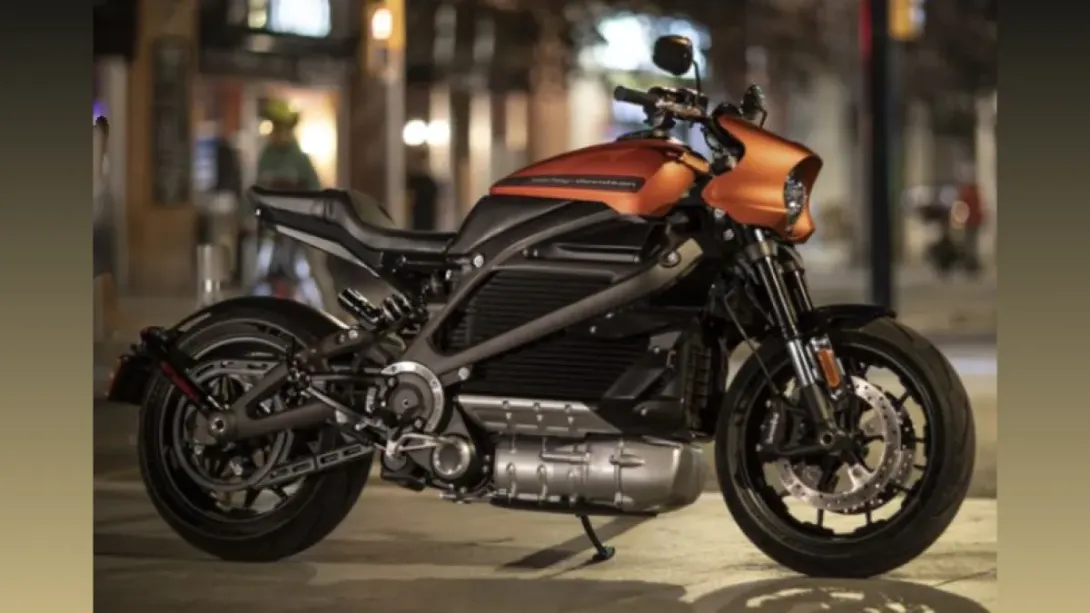
The removal of import duties on select U.S.-made motorcycles is expected to significantly improve Harley-Davidson’s competitive position in the Indian premium two-wheeler market. Zero-duty access lowers landed costs, potentially narrowing the price gap between imported models and locally assembled alternatives. The development comes at a time when demand for high-end motorcycles is becoming more niche but brand-driven. Industry analysts say the policy shift could help Harley-Davidson expand its footprint through better pricing flexibility and renewed consumer interest, even as the company continues to rely on partnerships and selective models to navigate India’s complex market dynamics.
Policy Change Reshapes Premium Bike Economics
The decision to allow certain U.S.-manufactured motorcycles to enter India without import duties alters the cost structure of the premium biking segment. High tariffs have historically inflated prices of fully built imported motorcycles, limiting volumes and confining brands such as Harley-Davidson to a narrow audience.
With duties removed, imported models become more accessible, offering manufacturers greater latitude in pricing and product positioning.
Harley-Davidson Stands to Gain
Harley-Davidson, whose brand equity in India remains strong despite a scaled-back direct presence, is widely seen as a primary beneficiary. Lower import costs could enable the company to reintroduce or expand its lineup at more competitive price points, improving demand elasticity in a price-sensitive market.
Analysts note that the move may also enhance the viability of limited-edition and niche models that were previously constrained by prohibitive costs.
Implications for the Indian Two-Wheeler Market
The zero-duty framework is expected to intensify competition in the premium and super-premium motorcycle categories. Domestic manufacturers and global rivals may need to reassess their strategies, particularly those relying on local assembly to manage costs.
For consumers, the shift promises greater choice and potentially better value, though volumes are likely to remain modest given the segment’s niche nature.
Strategic Context and Trade Signals
The policy adjustment is also viewed through a broader trade lens, reflecting a willingness to ease barriers on select high-value imports. While motorcycles represent a small share of overall trade, the symbolic impact is significant, especially for U.S. brands seeking deeper engagement in India.
Such measures could pave the way for further trade accommodations in specialized manufacturing sectors.
Outlook
For Harley-Davidson, zero-duty access offers an opportunity to recalibrate its India strategy with reduced cost pressures. Success will depend on product selection, distribution partnerships, and brand engagement. More broadly, the development underscores how targeted policy shifts can reshape market dynamics, even in highly specialized consumer segments.
Comments