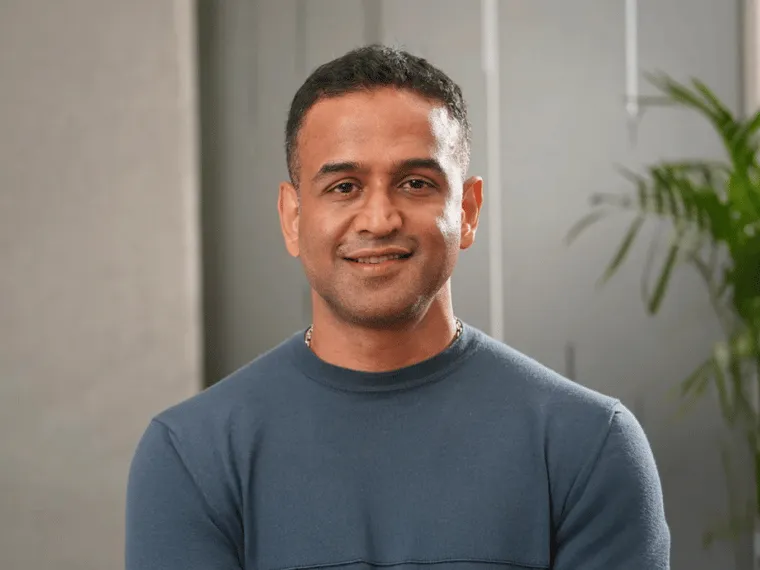
Nithin Kamath, CEO and co-founder of Zerodha, has expressed confidence in the company’s positioning despite the recent entry of Jio Financial Services (JFS) and BlackRock into the Indian stockbroking ecosystem. While acknowledging the significance of JFS’s distribution power and its potential to broaden retail investor participation, Kamath emphasized that his main competitive concern lies with first-generation founders — agile, mission-driven entrepreneurs who understand the nuances of broking. This article examines the evolving competitive dynamics in India’s financial services market, JFS’s multi-pronged fintech strategy, and Zerodha’s distinct approach to growth and sustainability.
Zerodha’s Competitive Outlook: Startups Over Conglomerates
In a recent public statement, Nithin Kamath downplayed the perceived threat of Jio–BlackRock’s stockbroking ambitions, stating that real disruption in the sector is more likely to come from first-time founders. According to Kamath, these entrepreneurs possess an intense focus and deep operational involvement that legacy players and financial giants often lack.
He noted, “I still feel our real competition is going to be more from first-generation founders who are running, breathing, and always thinking about broking.” His remarks were made in response to JFS–BlackRock receiving regulatory approval to operate as a brokerage firm.
Kamath on Market Expansion and Distribution Dynamics
Despite his measured stance on competition, Kamath welcomed the entry of Jio into the broking space, particularly its potential to drive broader market participation. Currently, retail investing in India remains concentrated within the top 10 crore individuals. Kamath suggested that Jio, due to its vast telecom footprint and user reach, could play a pivotal role in expanding the investor base beyond this demographic.
He added a note of caution, emphasizing that deep financial resources do not equate to an unbeatable advantage. “This is not a business where having deep pockets means you have a large moat,” Kamath stated, highlighting the need for consistent product innovation, customer trust, and long-term vision.
Zerodha’s Financial Strength and Operational Discipline
Zerodha has emerged as one of the most profitable and operationally efficient firms in India’s fintech landscape. For FY24, the company reported a 88.95% surge in consolidated net profit, reaching Rs. 5,496.3 crore, up from Rs. 2,909 crore in the previous fiscal. Operating revenue also grew significantly to Rs. 9,372.1 crore, representing a 37.16% increase from Rs. 6,832.8 crore in FY23.
Unlike many startups that rely on aggressive marketing and discount-driven user acquisition, Zerodha has grown organically, largely through product excellence and word-of-mouth. The firm continues to reject vanity metrics and high-frequency trading incentives, preferring long-term user value over short-term volume spikes.
The Rise of JFS: A Fintech Super App in the Making
Jio Financial Services, a demerged entity from Reliance Industries, has steadily been assembling a powerful fintech arsenal. Through a trio of joint ventures with BlackRock, JFS now operates across three key verticals: asset management, investment advisory, and stockbroking.
- Jio BlackRock Asset Management: Already approved by SEBI, this arm has launched low-risk mutual fund offerings—such as liquid and money market funds—targeted at new retail investors.
- Jio BlackRock Investment Advisers: Recently registered as a SEBI-approved advisory firm, it aims to provide structured, compliant investment advice to a growing digital client base.
- Jio BlackRock Broking: With a newly acquired licence for broking and clearing operations, this arm completes the trifecta, enabling JFS to provide end-to-end financial services under one ecosystem.
This holistic framework positions JFS as one of the few Indian fintech players with licenses covering the entire investing lifecycle.
Strategic Leverage: Jio’s Distribution and Ecosystem Synergy
One of JFS’s core strengths lies in its access to Reliance Jio’s massive telecom infrastructure. With 469 million mobile subscribers, Jio already commands a dominant share of the Indian digital landscape. JFS can tap into this user base to scale its broking and advisory offerings rapidly, reaching demographics that traditional brokerages may struggle to access.
Moreover, JFS’s full control over Jio Payments Bank allows for seamless integration between payments, banking, and investing. This convergence could significantly lower customer acquisition costs and enhance user experience—two areas where conventional brokers often face friction.
Implications for India’s Fintech Sector
Kamath’s insights underscore a key trend in Indian financial services: the race is no longer about capital alone, but about culture, agility, and customer empathy. While conglomerates like JFS possess vast infrastructure and financial backing, their long-term success in broking will depend on sustained innovation and regulatory compliance.
Simultaneously, smaller fintech startups are pushing the envelope with leaner teams, deeper user engagement, and highly personalized experiences. These players, though less visible in scale, are often more attuned to emerging customer needs and market nuances.
Conclusion
India’s broking and fintech landscape is at a turning point. The entry of players like Jio–BlackRock adds depth and diversity to the market, potentially democratizing access for millions of new investors. However, as Nithin Kamath aptly pointed out, the most disruptive forces may not always wear the biggest badges—they may simply be the ones thinking hardest, moving fastest, and listening closest.
For Zerodha, the road ahead will be defined not just by competition, but by its ability to stay true to the ethos that built it: simplicity, integrity, and a relentless focus on empowering retail investors.
Comments