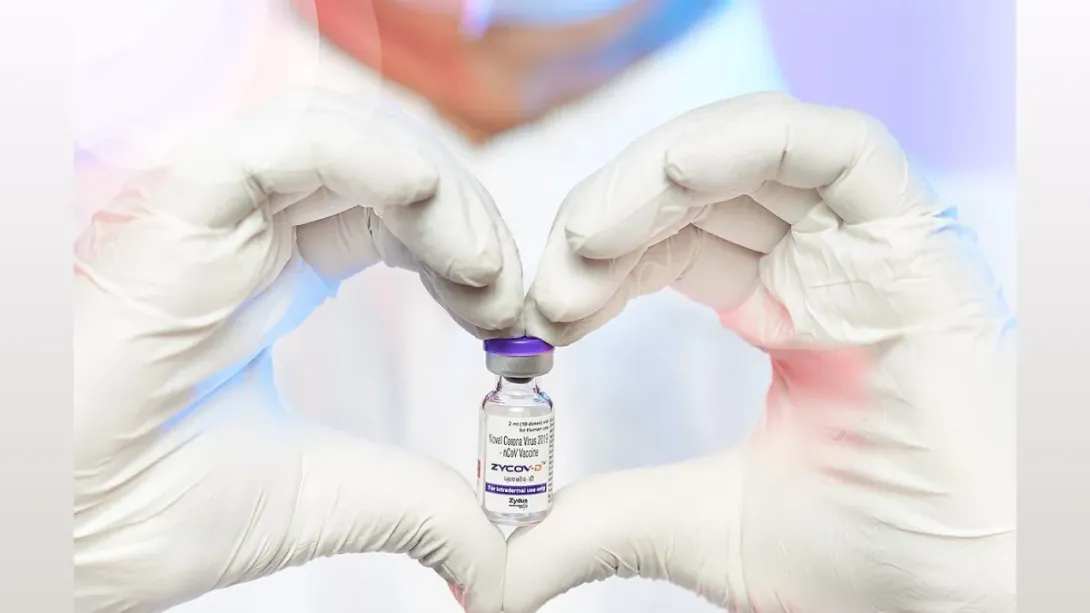
Zydus Lifesciences Ltd has secured the Orphan Drug Designation (ODD) from the U.S. Food and Drug Administration (USFDA) for its novel therapeutic candidate, Desidustat, intended for the treatment of beta-thalassemia — a rare genetic blood disorder. The recognition marks a significant milestone in the company’s innovation journey, granting it several development incentives, including market exclusivity and tax benefits. This strategic achievement strengthens Zydus’s global R&D footprint, signaling its transition from a generic drug manufacturer to a research-driven biopharmaceutical player with ambitions to address unmet medical needs worldwide.
Zydus’s Regulatory Milestone
Zydus Lifesciences announced that its investigational drug Desidustat has received Orphan Drug Designation from the USFDA for treating beta-thalassemia, a rare inherited disorder characterized by reduced hemoglobin production. The designation provides the company with key regulatory benefits such as tax credits on clinical trials, waiver of certain FDA fees, and seven years of market exclusivity in the United States upon successful approval.
The recognition underscores the potential of Desidustat to fill a critical therapeutic gap in the management of beta-thalassemia, a disease for which treatment options remain limited and primarily reliant on lifelong blood transfusions and iron chelation therapy.
Understanding Desidustat’s Mechanism
Desidustat is an oral small-molecule drug that functions as a hypoxia-inducible factor prolyl hydroxylase inhibitor (HIF-PHI). By stimulating the body’s natural response to low oxygen levels, the drug helps enhance erythropoiesis — the production of red blood cells — and increase hemoglobin concentration.
In preclinical studies and early clinical evaluations, Desidustat demonstrated encouraging efficacy in improving hemoglobin levels and reducing dependence on frequent transfusions among patients with beta-thalassemia. Zydus has previously explored the drug’s utility in managing anemia associated with chronic kidney disease, positioning it as a versatile molecule with multiple therapeutic applications.
Beta-Thalassemia: A Global Health Challenge
Beta-thalassemia affects tens of thousands of individuals globally, with particularly high prevalence in South and Southeast Asia, the Middle East, and parts of the Mediterranean region. The condition results from mutations in the beta-globin gene, leading to reduced or absent hemoglobin production and causing severe anemia, fatigue, and organ complications due to iron overload.
Existing treatment approaches, such as regular blood transfusions, bone marrow transplantation, or gene therapy, carry significant limitations — ranging from accessibility and affordability challenges to long-term health risks. The need for safe, affordable, and effective oral therapies remains pressing, and Desidustat could potentially address this therapeutic gap.
Strategic Significance for Zydus
The USFDA’s ODD recognition marks a pivotal moment for Zydus Lifesciences, reflecting its ongoing efforts to expand beyond the generics space and establish a robust innovation-led portfolio. The designation enhances the company’s credibility in global drug discovery and positions it competitively in the rare-disease therapeutics segment — an area with high scientific complexity but substantial commercial potential.
For Zydus, this milestone also opens opportunities for global partnerships, co-development deals, and accelerated clinical pathways, particularly within the U.S. regulatory framework. It aligns with the company’s broader strategy of diversifying its R&D pipeline and building long-term value through novel biologics, vaccines, and small molecules targeting unmet medical conditions.
Outlook and Industry Perspective
While the Orphan Drug Designation does not equate to marketing approval, it provides a strong regulatory and commercial foundation for Desidustat’s advancement through clinical development. Zydus will now focus on conducting further trials to validate efficacy and safety outcomes in thalassemia patients, a critical step toward commercialization.
If approved, Desidustat could become one of the few oral therapies addressing anemia in beta-thalassemia, offering improved quality of life and reducing the burden of transfusion dependency. For the broader pharmaceutical industry, this development reinforces India’s growing presence in global innovation pipelines, where homegrown companies are increasingly contributing to niche therapeutic research.
Conclusion
Zydus Lifesciences’ receipt of the USFDA’s Orphan Drug Designation for Desidustat represents a transformative step in its evolution as a research-driven biopharma company. Beyond regulatory recognition, it symbolizes a deeper commitment to tackling rare and neglected diseases through innovation and scientific rigor. As the company progresses toward clinical validation, the global medical community will watch closely to see whether Desidustat can redefine therapeutic possibilities for patients living with beta-thalassemia — a condition long underserved by modern medicine.
Comments