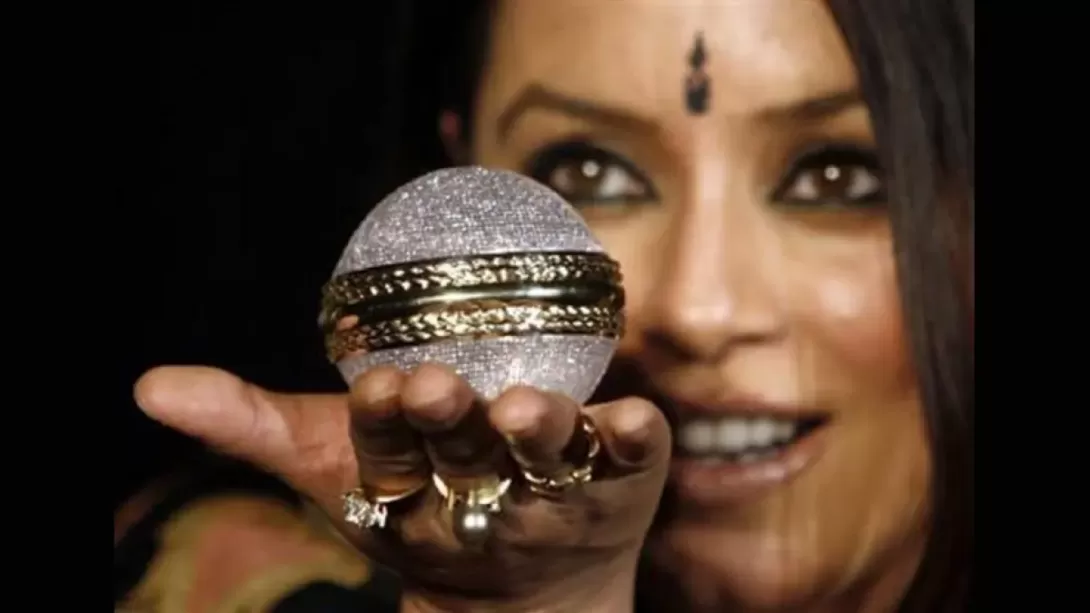
As India emerges as a dominant force in global diamond consumption, De Beers Group is accelerating its investments in the subcontinent, predicting a doubling of natural diamond jewellery demand by 2030. With India overtaking China to become the second-largest market for natural diamonds, De Beers is launching an ambitious expansion of its Forevermark retail presence. The company also plans to shift focus away from lab-grown diamonds for jewellery, steering their use toward high-tech industrial sectors. The strategy reflects a nuanced understanding of evolving global markets and underscores India’s central role in the future of luxury and technology.
India Emerges as a Global Powerhouse for Natural Diamond Jewellery
India’s diamond market is experiencing a significant upswing, and De Beers Group is positioning itself at the heart of this growth. According to CEO Al Cook, natural diamond jewellery demand in the country is rising at an annual rate of 12 percent and is expected to double by 2030. With current demand nearing USD 10 billion (approximately Rs. 83,000 crore), India has surpassed China to become the second-largest global consumer of natural diamond jewellery.
This growing consumer base, fueled by aspirational buyers in both urban and emerging markets, has emboldened De Beers to intensify its footprint across the country. Cook’s recent visit to India underscores the strategic importance of the region to De Beers’ global roadmap.
Forevermark’s Aggressive Retail Rollout
In response to the robust demand, De Beers is introducing its Forevermark brand through a multi-channel retail strategy. Within the next few months, the company will launch four stores—two in Delhi and two in Mumbai. Over the next five years, that number is expected to scale to over 100 outlets nationwide.
Amit Pratihari, Managing Director of De Beers India, emphasized a cluster-based expansion model rather than a blanket rollout. The aim is to saturate individual markets thoroughly before moving to new territories. The plan includes a mix of company-owned and franchised outlets not just in metropolitan cities but also in Tier II and Tier III towns, where rising disposable incomes and aspirational consumption are fueling luxury purchases.
In tandem with physical stores, Forevermark will also strengthen its digital footprint through an integrated e-commerce platform, ensuring brand accessibility across urban and semi-urban geographies.
Lab-Grown Diamonds: A Shift in Focus
In a notable strategic pivot, De Beers is scaling back its lab-grown diamond (LGD) jewellery offerings by closing its Lightbox jewellery brand. Instead, the firm will channel its LGD capabilities into industrial applications such as semiconductors and artificial intelligence infrastructure.
Cook noted that wholesale LGD prices in the jewellery market have plummeted by nearly 90 percent, diluting their perceived value. The company believes that the future of LGDs lies in sectors demanding technological precision rather than aesthetic value. Through its Element Six subsidiary, De Beers intends to support India’s rapidly expanding semiconductor and data center ecosystem.
Educating Consumers and Strengthening Brand Integrity
As the market becomes increasingly saturated with lab-grown alternatives, De Beers is investing in consumer education to reinforce the value proposition of natural diamonds. Cook pointed out that consumer understanding of the differences between natural and lab-grown stones is improving, aided by technological solutions like Diamond Proof, which authenticate the provenance of natural gems.
In line with this approach, the company will significantly increase its marketing budget for natural diamonds in 2025—the largest such investment in a decade. This initiative is aimed at deepening brand loyalty and bolstering consumer confidence in the authenticity and enduring value of natural stones.
Trade Dynamics and Tariff Considerations
Addressing concerns about the U.S. tariff policy, Cook expressed confidence that natural diamonds will be exempt from potential import duties. He cited the absence of natural diamond mines in the United States as a key factor likely to influence exemption decisions, akin to how gold and other non-domestically produced commodities have been treated.
This assurance provides a stable outlook for De Beers’ global operations and underscores the strategic resilience of natural diamonds in an increasingly protectionist trade environment.
Conclusion: A Transformative Chapter for De Beers and India
De Beers’ renewed focus on India marks a transformative chapter for the global diamond industry. By realigning its business model to capitalize on the explosive demand for natural diamonds, while concurrently repurposing lab-grown technology for industrial applications, the company is not only responding to consumer trends but also shaping them. With India at the epicenter of this evolution, the country is poised to become not just a market—but a global standard-bearer—for the future of luxury and innovation.
Comments