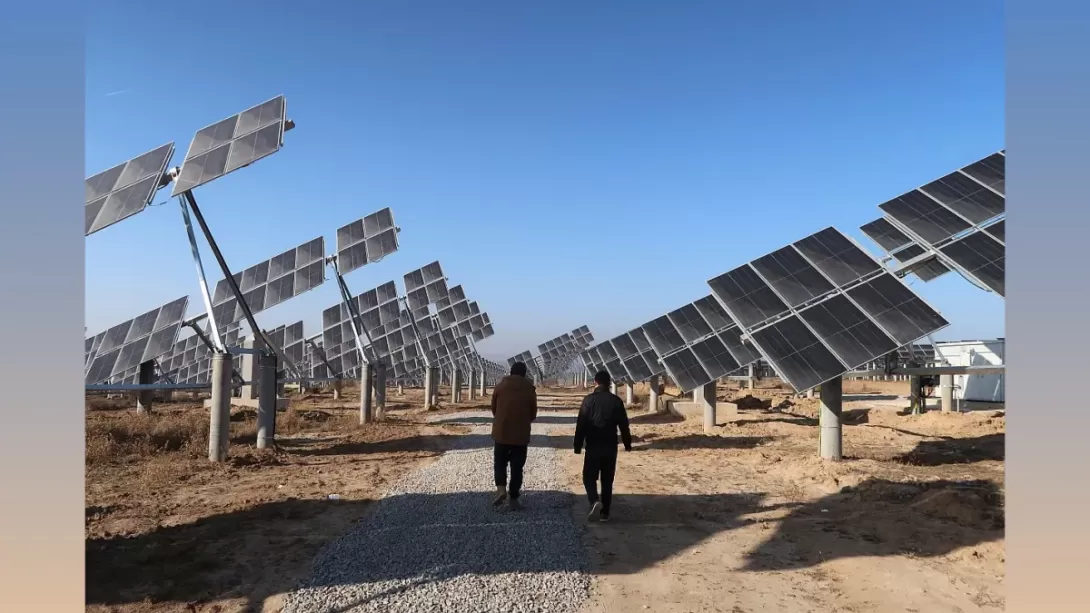
Tripura is making significant strides towards its renewable energy goals, setting an ambitious target to generate 150 MW of solar power by March 2027. With the growing success of the PM Surya Ghar Mufta Bijli Yojana, over 13,500 households have registered for solar power installations, and 266 families have already started producing energy. The initiative is not only helping to reduce electricity bills but is also creating new income streams by allowing households to sell surplus power. In addition, Tripura is exporting electricity to Bangladesh, further strengthening its energy sector.
Tripura's Solar Energy Target
In a bold move to promote renewable energy, the government of Tripura has set a target of producing 150 MW of solar power by March 2027. This ambitious goal is part of the state's commitment to sustainability and its contribution to India’s larger vision of reducing carbon emissions.
The key catalyst for this transformation is the PM Surya Ghar Mufta Bijli Yojana, a program designed to encourage households in Tripura to adopt solar energy. Power Minister Ratal Lal Nath recently shared the success of the scheme, noting that 13,536 households have already registered for solar power installations. The growing interest in this initiative underscores the state’s push to harness the potential of solar energy.
Financial Benefits for Households
The PM Surya Ghar Mufta Bijli Yojana is not only an environmental initiative but also a financial boon for participating households. Families that generate surplus electricity are compensated for their contributions, further incentivizing the adoption of solar power.
Out of the 266 families that have already started generating solar power, 70 families have received Rs 30,902 from the Tripura State Electricity Corporation Ltd (TSECL) for selling surplus electricity back to the grid. This arrangement has allowed these families to significantly reduce their electricity bills, with some even earning money from the sale of excess power. Minister Nath also highlighted that he personally received Rs 768 for surplus power, demonstrating the tangible benefits of the scheme.
The increasing number of families generating solar power is expected to drive the state's overall progress toward its target of 150 MW by 2027. This success reflects the growing acceptance of solar energy as both an eco-friendly and financially rewarding alternative.
Government's Commitment to Green Energy
To further bolster the adoption of solar energy, the Tripura government has committed to installing solar power systems across all its offices. This move aims to set an example for citizens, demonstrating the practicality and efficiency of solar power in everyday operations. By integrating solar energy into government buildings, Tripura is not only reducing its carbon footprint but also leading by example in promoting green energy.
Minister Nath emphasized that the state’s various agencies, such as the Tripura State Electricity Corporation Ltd (TSECL) and Tripura Renewable Energy Development Agency (TREDA), have been working diligently to ensure the success of the scheme and help achieve the state's solar power target.
Regional Power Cooperation: Exporting to Bangladesh
In addition to meeting its own energy demands, Tripura is also contributing to regional power cooperation by exporting electricity to Bangladesh. While an MoU was signed to supply 100 MW of power, the state currently exports between 50 to 60 MW of electricity to Bangladesh. This arrangement allows Tripura to meet its internal demand while fulfilling its commitment to provide surplus energy to its neighboring country.
Minister Nath confirmed that Bangladesh regularly makes payments for the electricity supplied, underscoring the reliability and importance of this cross-border energy exchange. This initiative not only helps to strengthen bilateral relations but also provides Tripura with an additional revenue stream from its growing energy sector.
The Road Ahead: Achieving the 150 MW Target
With a growing number of households registering for the PM Surya Ghar Mufta Bijli Yojana and a continued focus on solar energy adoption, Tripura is well on its way to achieving its goal of 150 MW of solar power by 2027. The program's success highlights the importance of government incentives in promoting sustainable energy sources and fostering economic growth in local communities.
As the state expands its solar energy capacity and continues to develop its energy infrastructure, Tripura is poised to become a leader in India’s renewable energy landscape. Through its innovative schemes, financial incentives for households, and regional energy cooperation, Tripura is setting a benchmark for other states to follow in the quest for a greener, more sustainable future.
Conclusion: A Vision for Sustainable Energy
Tripura's push for solar power is a testament to the state's commitment to both environmental sustainability and economic prosperity. The PM Surya Ghar Mufta Bijli Yojana is creating significant opportunities for families to reduce energy costs while contributing to the state's renewable energy targets. As Tripura continues to expand its solar capacity, both domestically and in collaboration with neighboring countries, it is laying the foundation for a cleaner, greener, and more prosperous future for its citizens.
Comments