Limca, Coca-Cola India’s iconic lime-lemon carbonated drink, has surpassed the Rs. 2,800 crore revenue milestone in 2024, reflecting the brand’s renewed momentum in both urban and rural markets. Once a staple of Indian summer refreshment, the 53-year-old brand has undergone a strategic transformation, capitalizing on growing consumer demand across states like Delhi, Punjab, and Haryana. With a strong focus on innovation, localized distribution, and culturally resonant marketing, Limca is rapidly gaining market share. The brand’s extension into the hydration category with Limca GlucoCharge further underscores its role in Coca-Cola’s evolving India portfolio, which now includes three billion-dollar brands.
A Legacy Brand Finds New Life in Modern Markets
Launched in 1971, Limca has long held a distinctive place in India’s beverage landscape. Initially produced by Parle Bisleri, it became part of The Coca-Cola Company’s portfolio following its acquisition in 1993, when the Atlanta-based beverage giant re-entered the Indian market. Along with Thums Up and Maaza, Limca was among the flagship Indian brands acquired from Ramesh Chauhan—an acquisition that marked the beginning of Coca-Cola’s second innings in the country.
More than five decades later, Limca is enjoying a commercial renaissance. The brand has consistently expanded its reach and influence, tapping into regional preferences and emerging retail ecosystems to meet India’s evolving consumption patterns.
Strong Revenue Performance Driven by Broad Market Penetration
In 2024, Limca crossed Rs. 2,800 crore in revenue, marking a significant financial milestone for the heritage brand. This surge has been fueled by double-digit growth in strategically important markets such as Delhi, Punjab, and Haryana. Coca-Cola India has attributed the brand’s success to its enhanced distribution footprint across traditional and modern trade channels and its ability to resonate with both urban and rural consumers.
The company’s focus on ensuring widespread availability and its investment in grassroots retail have contributed meaningfully to the brand’s upward trajectory, enabling Limca to consolidate and expand its share in the crowded non-alcoholic beverage sector.
Innovation Anchors Brand Evolution
A critical driver of Limca’s resurgence has been product innovation tailored to local consumer needs. In 2024, the company introduced Limca GlucoCharge, a functional beverage infused with glucose and electrolytes designed to support hydration in high-temperature environments. Marketed with Olympic gold medalist Neeraj Chopra as the face of the campaign, the launch exemplified Coca-Cola’s strategy of aligning product development with consumer lifestyle aspirations.
By extending Limca into the hydration segment, Coca-Cola not only diversified the brand's appeal but also positioned it as a health-forward choice within its sparkling beverage lineup—a savvy move given the increasing demand for functional drinks in India.
The Billion-Dollar Club and the Race Ahead
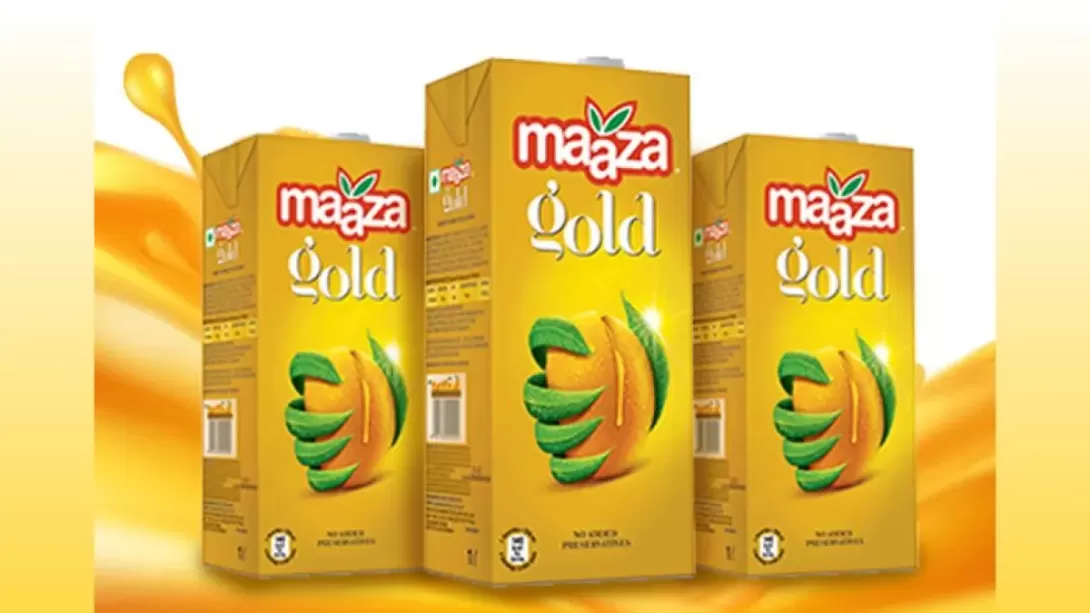
Coca-Cola India’s current portfolio includes three billion-dollar brands: Thums Up, Sprite, and Maaza. Thums Up, in particular, is nearing the USD 2 billion benchmark, reflecting a powerful resonance with Indian consumers and an expansive nationwide presence.
With Limca’s recent performance, it may be only a matter of time before it joins this elite group. Its upward momentum underscores Coca-Cola’s broader success in adapting international operational models to fit the Indian market’s complex socio-economic and geographic diversity.
Vinay Nair, Vice President of Franchise Operations for Developing Markets at Coca-Cola India and Southwest Asia, emphasized the brand’s transformation as “a story of resilience, reinvention, and a pursuit of excellence.” He attributed Limca’s resurgence to an operating playbook built on product innovation, market penetration, and emotionally resonant marketing.
Conclusion
Limca’s ascent past the Rs. 2,800 crore revenue mark is more than a numerical achievement—it reflects Coca-Cola India’s successful recalibration of legacy brands to align with contemporary Indian tastes and retail structures. With bold product extensions, high-impact campaigns, and expansive distribution, Limca is no longer just a nostalgic favorite but a dynamic, high-growth brand in a competitive marketplace. As Coca-Cola continues to build on this momentum, Limca stands as a shining example of how tradition and transformation can co-exist profitably in India’s fast-evolving consumer landscape.
Comments