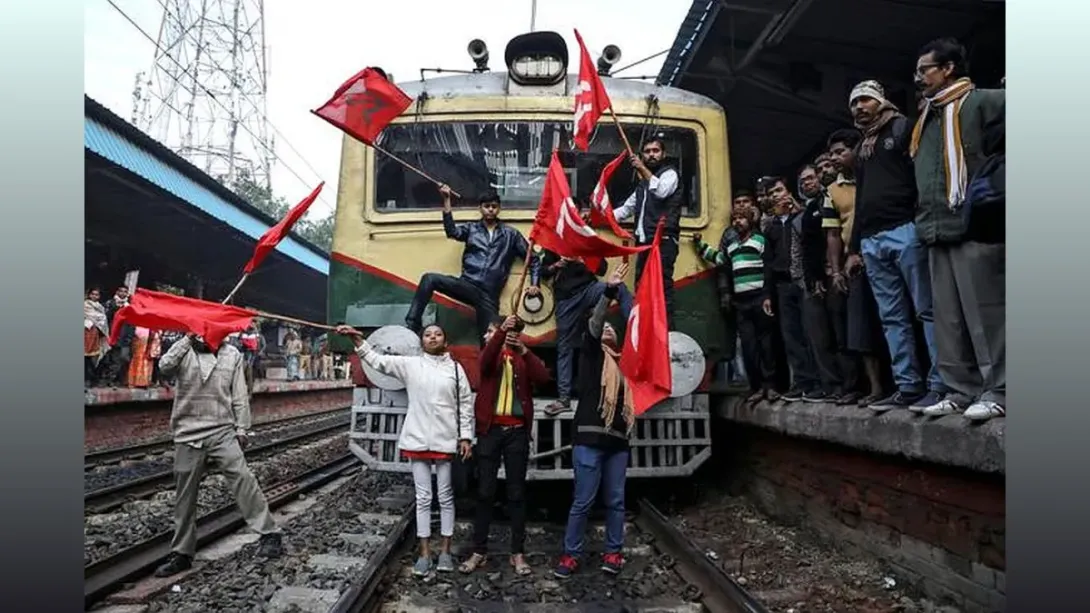
Approximately 2.7 million power sector employees across India have announced a one-day nationwide strike on July 9, protesting the Uttar Pradesh government's decision to privatize two major electricity distribution companies (discoms) — Purvanchal Vidyut Vitran Nigam Ltd (PVVNL) and Dakshinanchal Vidyut Vitran Nigam Ltd (DVVNL). Spearheaded by the All India Power Engineers’ Federation (AIPEF) and coordinated by the National Coordination Committee of Electricity Employees and Engineers (NCCOEEE), the strike underscores deep apprehensions about privatization’s impact on power supply reliability and affordability for vulnerable populations. The protest threatens to disrupt power distribution nationwide, amplifying tensions over the future of India’s energy sector.
Background: Privatization Sparks Widespread Unrest
The Uttar Pradesh government’s recent move to privatize PVVNL and DVVNL, responsible for power distribution in 42 out of the state’s 75 districts, has ignited widespread resistance from the power sector workforce. These discoms form a critical backbone of the state’s electricity infrastructure, serving millions of consumers including farmers and economically disadvantaged households.
Shailendra Dubey, Chairman of AIPEF, highlighted that the privatization effort has catalyzed significant opposition among engineers, junior engineers, and employees nationwide. The strike action reflects growing unease that the sale of such vital assets to private entities could lead to compromised service quality, job insecurity, and higher tariffs for end-users.
Scale and Scope of the Protest
The strike call is organized by the umbrella group NCCOEEE and encompasses a staggering 27 lakh employees in the power sector. Demonstrations and protests will take place in multiple metropolitan and regional centers including Hyderabad, Bengaluru, Mumbai, Kolkata, and Lucknow, signaling a nationwide solidarity.
Dubey warned that the protest could severely disrupt power supplies across the country. He explicitly stated that the unions would not be responsible for any resulting interruptions, underscoring the seriousness of the employees’ grievances and the potential consequences of the ongoing dispute.
Allegations of Collusion and Concerns Over Asset Valuation
The federation accused senior officials of Uttar Pradesh Power Corporation Ltd (UPPCL) and certain government insiders of colluding with select private firms. According to Dubey, discom assets valued at several thousand crore rupees are being sold off at undervalued “throwaway” prices, raising red flags about transparency and fairness in the privatization process.
Such allegations intensify concerns about governance and regulatory oversight, fueling mistrust among employees and consumers alike regarding the motives behind the privatization drive.
Impact on Vulnerable Consumers
Beyond employment concerns, the unions emphasize the social ramifications of discom privatization. Farmers and low-income households, who rely heavily on subsidized electricity and tailored benefits, may face adverse consequences if power distribution shifts to profit-driven private companies.
The unions argue that privatization could lead to increased tariffs and reduced access to essential subsidies, undermining efforts to ensure equitable energy distribution and support for rural and marginalized communities.
Broader Implications for India’s Power Sector
This strike exemplifies the broader debate engulfing India’s power sector reform agenda. While privatization is touted by policymakers as a solution to improve operational efficiency and financial viability of loss-making discoms, employee resistance highlights the complex social and economic trade-offs involved.
Maintaining grid reliability and affordable access, while ensuring fair labor practices and transparency, remains a critical challenge as India strives to balance reform with social equity.
Conclusion: A Critical Juncture for Power Sector Reforms
The July 9 nationwide strike by power sector employees signals a crucial flashpoint in India’s ongoing power sector transformation. The scale and intensity of the protest underscore deep-seated anxieties over privatization’s impact on workers, consumers, and the broader electricity ecosystem.
As Uttar Pradesh forges ahead with its privatization plans, dialogue and trust-building between government, private players, and employee representatives will be essential to mitigate disruption and safeguard the public interest.
Comments