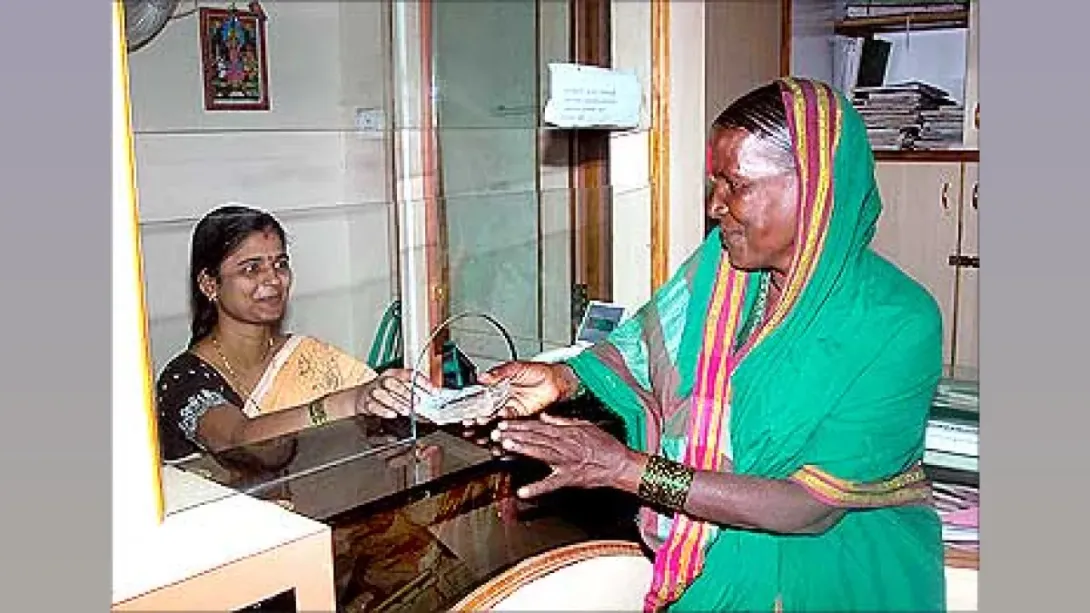
India’s flagship financial inclusion program, the Pradhan Mantri Jan Dhan Yojana (PMJDY), continues to reshape the country’s banking landscape by bringing millions of unbanked citizens into the formal financial system. With over 53 crore Jan Dhan accounts opened as of July 2025, the initiative has seen renewed policy focus aimed at deepening financial access, improving digital infrastructure, and encouraging usage beyond mere account ownership. Government officials have emphasized the pivotal role of these accounts in driving inclusive growth, facilitating direct benefit transfers (DBTs), and promoting a cashless economy, particularly in rural and semi-urban regions.
---
Expanding Financial Access Nationwide
Since its inception in 2014, the Jan Dhan Yojana has evolved from a mass account-opening campaign into a cornerstone of India’s financial inclusion strategy. As of July 2025, the total number of Jan Dhan accounts surpassed 53 crore, reflecting both the scale and reach of the program. Nearly two-thirds of these accounts are held by individuals in rural and semi-urban areas, underscoring the program’s effectiveness in bridging the urban-rural banking divide.
Women account holders represent a majority share, signaling strong outreach among traditionally underserved demographics. The average balance per account has also steadily increased, indicating growing trust in formal financial institutions.
---
Strengthening Digital and Direct Benefit Ecosystem
The government’s emphasis on leveraging Jan Dhan accounts for direct benefit transfers (DBTs) has made welfare delivery more efficient and transparent. Subsidies for LPG, pensions, scholarships, and other welfare schemes are now routinely routed through these accounts, reducing leakages and ensuring funds reach intended beneficiaries.
The integration of Aadhaar and mobile banking platforms with Jan Dhan accounts has further strengthened the digital payment ecosystem. Over 35 crore accounts are Aadhaar-seeded, and more than 30 crore account holders have been issued RuPay debit cards, facilitating seamless access to basic banking services, especially in regions with limited branch infrastructure.
---
Usage, Dormancy, and Financial Literacy
While the scale of account opening is impressive, the government remains focused on improving usage metrics. Approximately 82% of the total Jan Dhan accounts are active, but efforts continue to reduce dormancy further. Authorities are promoting financial literacy campaigns to encourage account holders to use formal channels for savings, insurance, and credit.
The Ministry of Finance is reportedly working with banks and fintech firms to introduce user-friendly digital interfaces and localized outreach programs. Incentives such as overdraft facilities and accident insurance coverage are also being promoted to enhance the utility of Jan Dhan accounts.
---
Financial Inclusion as a Growth Catalyst
Jan Dhan accounts are not just a tool for social empowerment—they also serve as a lever for economic growth. With increased financial access, households are more likely to save, borrow responsibly, and invest in health, education, and livelihoods. Micro-entrepreneurs, especially women-led enterprises in rural areas, are benefiting from credit linkages made possible by a formal financial identity.
As India’s digital and banking infrastructure continues to evolve, Jan Dhan accounts provide a robust platform for future policy interventions—whether in universal health coverage, pension reforms, or cash transfer-based stimulus packages during economic shocks.
---
Future Outlook: A Stronger, More Inclusive Financial System
The government’s renewed focus on Jan Dhan accounts reflects its commitment to building a more inclusive and resilient financial ecosystem. Key priorities for the coming quarters include increasing account usage, improving service delivery through digital tools, and ensuring last-mile connectivity in underserved geographies.
Policymakers view financial inclusion not merely as a welfare imperative but as a strategic national objective—integral to India’s broader economic development goals. As the Jan Dhan Yojana enters its second decade, it stands as a global benchmark in inclusive banking, reshaping the way India saves, spends, and secures its financial future.
Comments