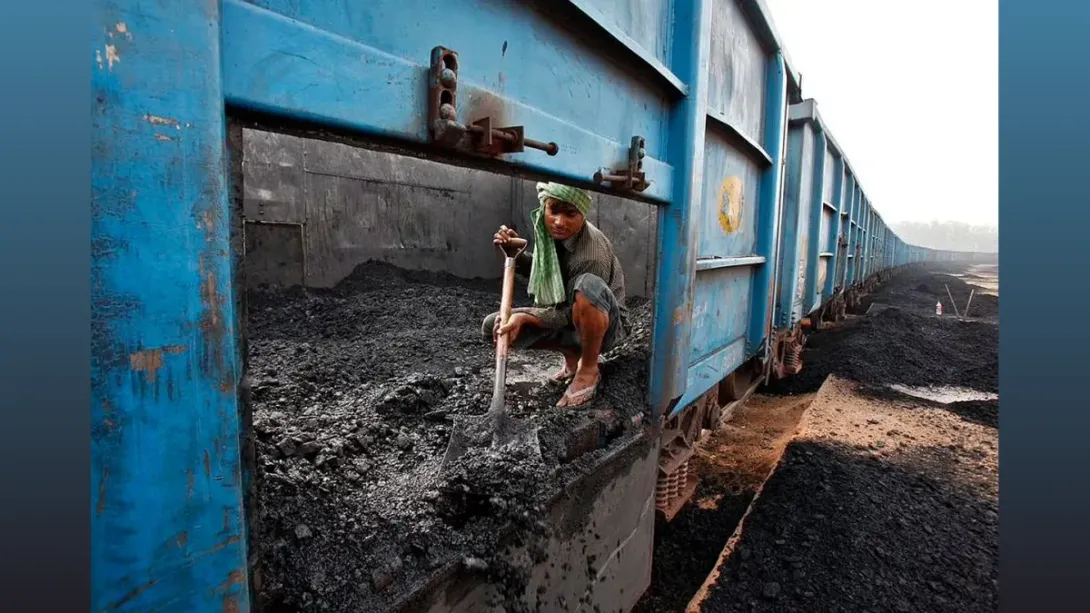
Coal India Ltd. (CIL), the state-owned mining major, has joined hands with Konkan Railway Corporation Ltd. (KRCL) to strengthen rail infrastructure, aiming to enhance coal evacuation and streamline logistics. The partnership is expected to ease transportation bottlenecks, reduce costs, and improve supply reliability for power producers and other industrial consumers. With demand for coal continuing to rise amid India’s growing energy needs, the collaboration highlights the importance of rail connectivity in sustaining efficient supply chains. The agreement underscores a strategic push towards modernizing coal transportation and enabling faster, more reliable deliveries nationwide.
Strategic Partnership for Coal Transport
Coal India, the world’s largest coal producer, has long grappled with logistical challenges in moving coal from mines to end-users. By partnering with Konkan Railway, the company aims to leverage specialized expertise in railway infrastructure development. The pact covers construction, modernization, and operational improvements across select corridors, ensuring seamless transport of bulk cargo. Improved rail evacuation capacity will not only optimize coal supply to thermal power plants but also reduce the dependency on road transport, cutting costs and emissions.
Strengthening Infrastructure to Meet Energy Demand
India’s electricity demand has been growing steadily, with coal continuing to play a central role in the country’s energy mix. Efficient transportation infrastructure is vital to ensuring uninterrupted coal supplies to power producers, steelmakers, and other industries. This collaboration is expected to create new rail links and upgrade existing routes, directly aligning with the government’s vision of bolstering freight corridors to meet future energy requirements. By expanding rail capacity, the partnership also contributes to reducing turnaround times and improving the reliability of supply chains.
Economic and Environmental Implications
The agreement carries significant economic advantages. Faster and more efficient coal movement is likely to lower logistics costs, improve coal availability for power generation, and strengthen industrial competitiveness. Moreover, shifting more coal freight from road to rail reduces congestion on highways and curbs emissions, offering environmental benefits alongside economic gains. This dual advantage positions the initiative as a step toward balancing industrial growth with sustainability.
Outlook
The CIL-KRCL partnership marks a forward-looking initiative in India’s broader push to upgrade infrastructure and secure energy supply chains. While coal remains a cornerstone of the country’s energy sector, efficient logistics will be critical to meeting rising demand without escalating costs or environmental strain. The collaboration could serve as a model for future partnerships between mining firms and transport operators, underscoring the role of infrastructure in enabling growth.
Comments