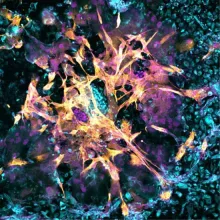
Scientists have taken a significant step in reproductive and developmental biology by successfully studying embryo implantation through the use of artificial womb technologies. This breakthrough allows researchers to observe early stages of embryonic development in controlled laboratory conditions, offering unprecedented insight into one of the most complex and least understood phases of human biology. By mimicking the environment of the uterus, artificial womb systems are enabling detailed analysis of implantation processes, cellular communication, and developmental timing.